Longyou Caves: What the Rock Reveals
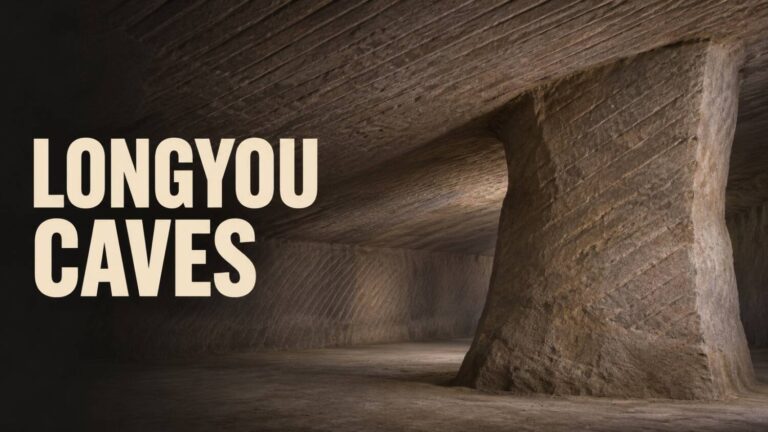
The Longyou chambers were revealed when ponds were drained in 1992. Surveys document how the rock was cut and why its construction date remains uncertain.
Read articleThe Longyou chambers were revealed when ponds were drained in 1992. Surveys document how the rock was cut and why its construction date remains uncertain.
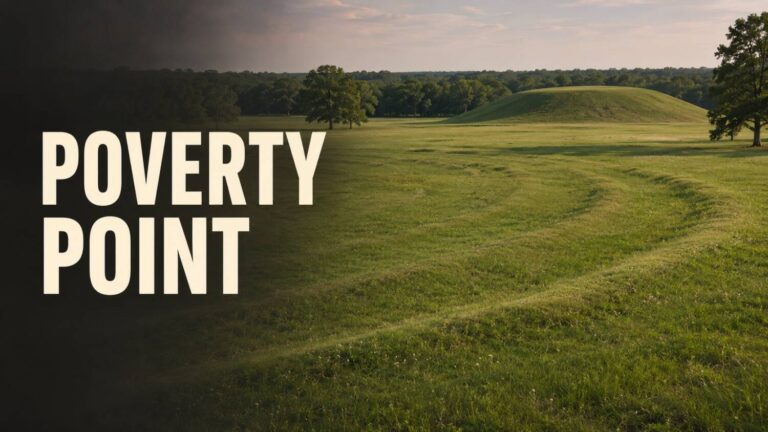
Read articleLouisiana’s Poverty Point preserves broad mounds and curved ridges. Soil layers and radiocarbon dates show how parts of the site were built.
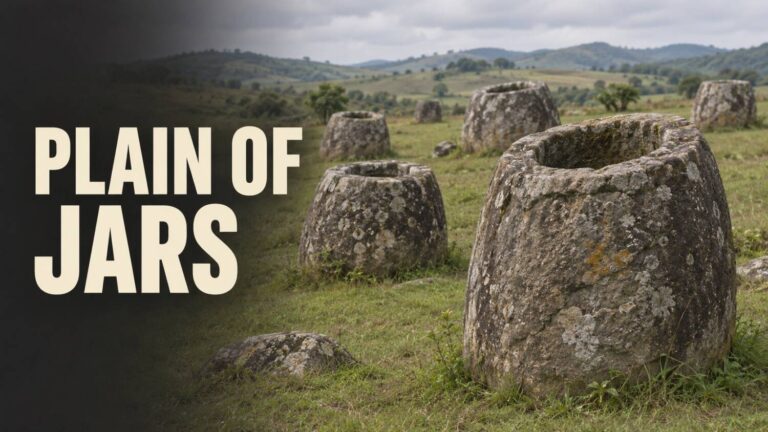
Read articleA 2026 study reported remains from at least 37 people inside a stone jar. Earlier work dated sediment beneath jars and burials around them.
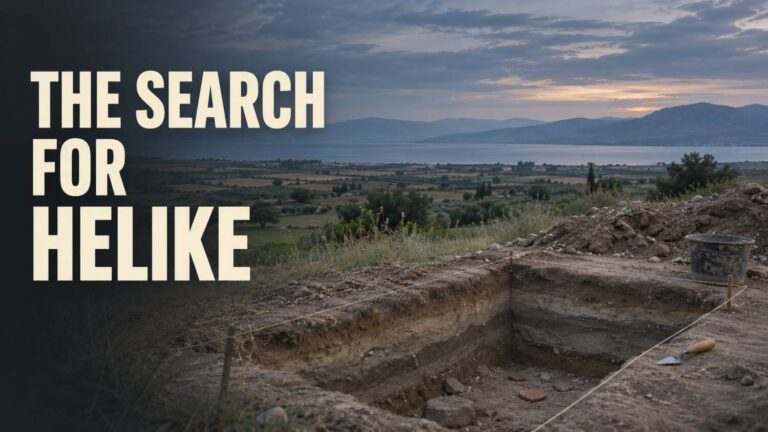
Read articleAncient writers put Helike under water. Sediment cores and excavations show how its coastal setting changed and where to look for its remains.
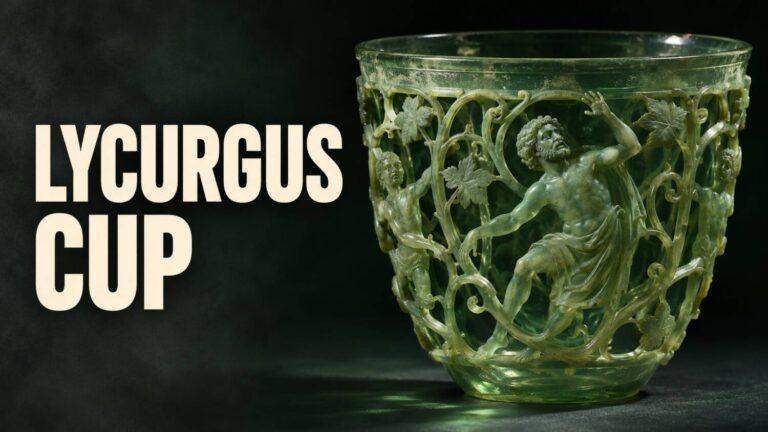
Read articleThe Roman Lycurgus Cup changes colour with the direction of light. See what microscopy and a 2026 Sheffield reproduction reveal about its glass.
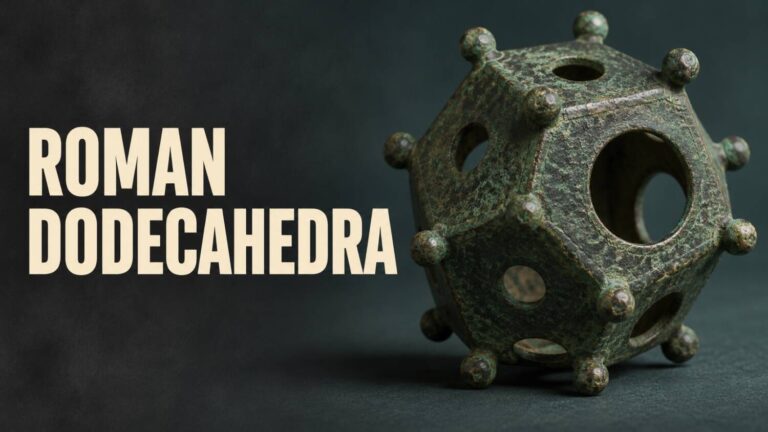
Read articleA Lincolnshire excavation found a complete Roman dodecahedron. Compare its measurements and find context with proposed uses for the bronze objects.
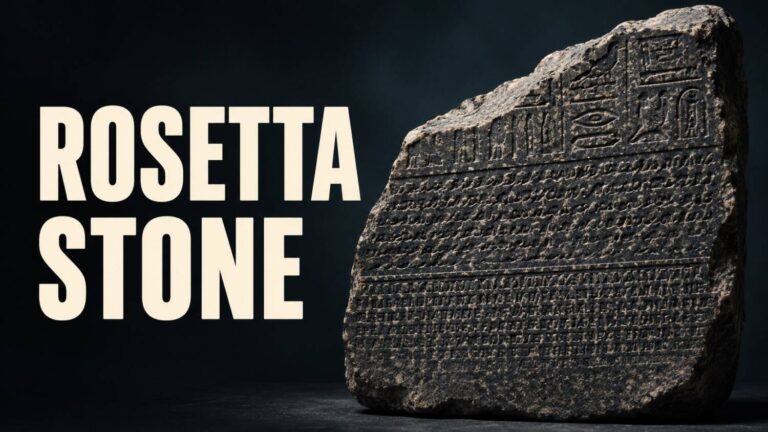
Read articleA decree in Greek, Demotic and hieroglyphs gave scholars a way to test sign values. The next step was seeing whether they worked on other inscriptions.
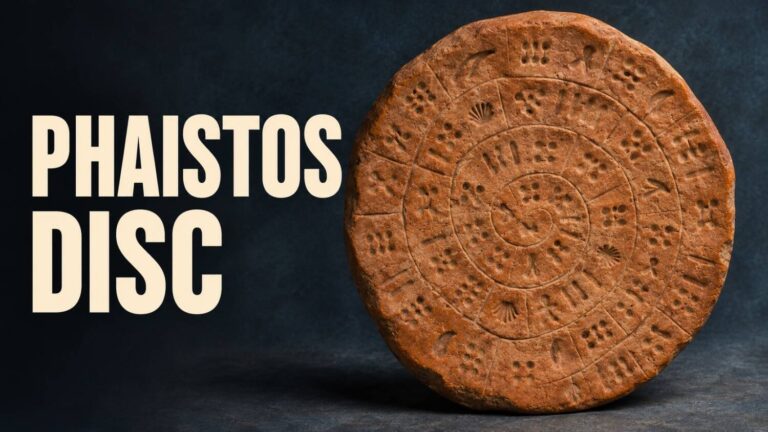
Read articleThe Phaistos Disc preserves two spirals of stamped signs. See what its findspot, clay and short inscription tell us about the object.
Read articleStart with a fitted wall, a quarry block or a sample from a buried layer. Five sites show how archaeologists connect what survives to what happened.
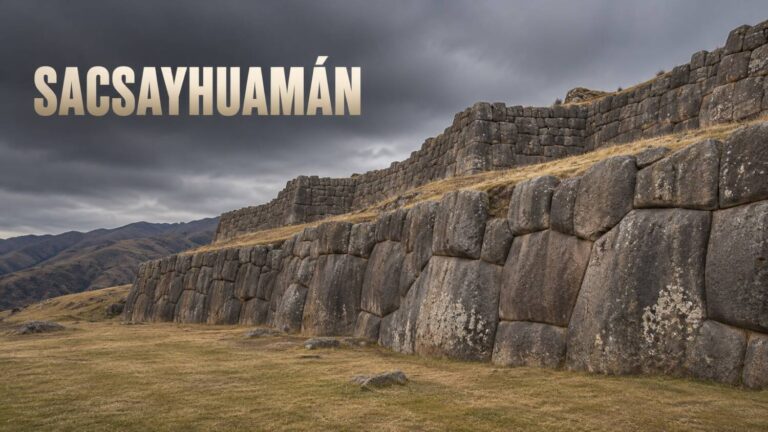
Read articleThe walls above Cusco preserve the work of Inca masons. Quarry studies and 138 recorded stones from Cruz Moqo show what researchers can piece together.
Read article