On the lowest terrace at Sacsayhuamán, the edge of one limestone block turns to fit into the next. A few steps along the wall, the seam changes shape. That detail gives a reader somewhere to start. What did the builders have to do to make that joint, and what evidence could tell us how they did it? The same approach works at other ancient sites. Start with a feature that survives, then follow the evidence around it.
Start with the wall
The joints at Sacsayhuamán preserve the shapes Inca masons fitted together. Quarry studies and hammerstone experiments help explain how they shaped the blocks. A study of loose stones from another part of the site tests the harder problem of reconstructing a wall after the stones have moved.
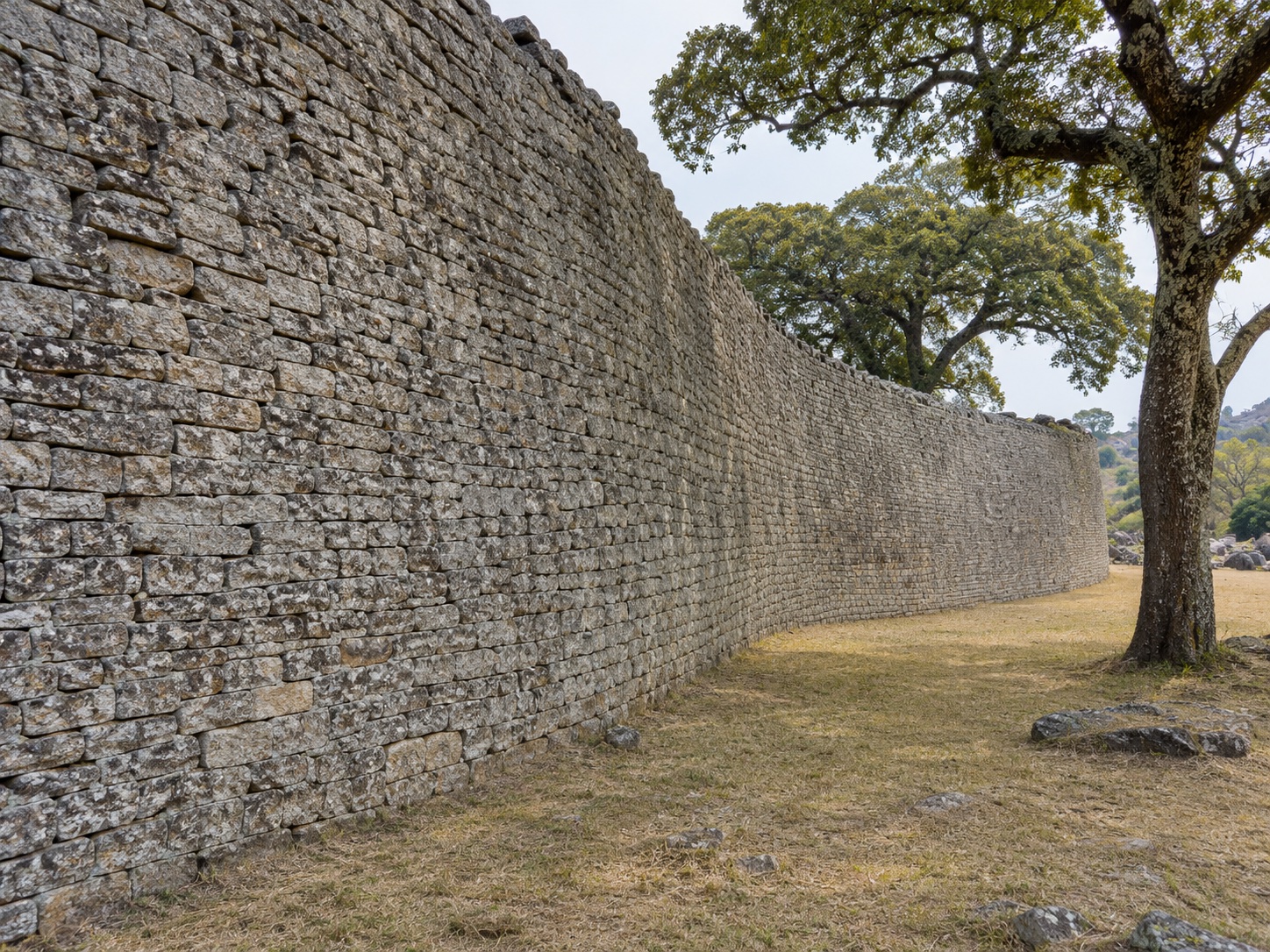
At Great Zimbabwe, thin courses of dry-laid granite follow the curve of the Great Enclosure. The standing wall shows what the Shona builders could do with local stone. Earthen floors, pottery and traces of metalworking tell more about the people who lived and worked around it. Look for both kinds of evidence when a site’s largest structure dominates the view.
Follow the stone back to its source
At Baalbek, three long limestone blocks sit in the temple platform. A larger one stayed in the quarry. The installed stones show what builders managed to move and set into a wall. The unfinished blocks show stages of work the temple’s finished faces can hide.
At Nan Madol, researchers compared the chemistry of basalt in a tomb with stone from outcrops across Pohnpei. Some of it came from the opposite side of the island. The match establishes where some of the builders’ material originated and leaves the route and means of transport open.
Ask what the date measures
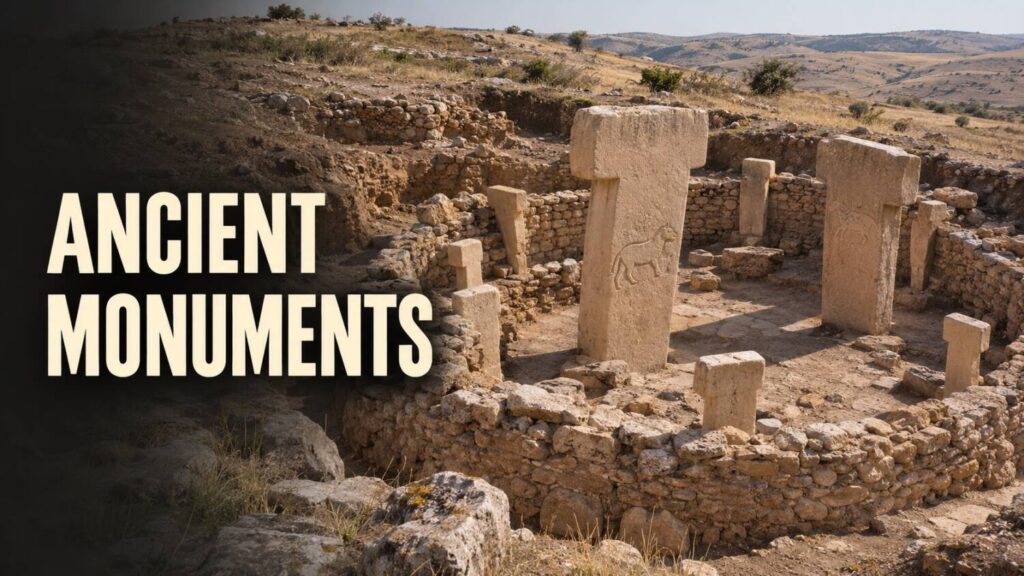
At Göbekli Tepe, T-shaped pillars stand within excavated stone enclosures. The excavation team can track the sequence of features around the pillars. Organic material in wall plaster helps place an episode of building. A sample from fill can record a later event or contain material brought in from elsewhere.
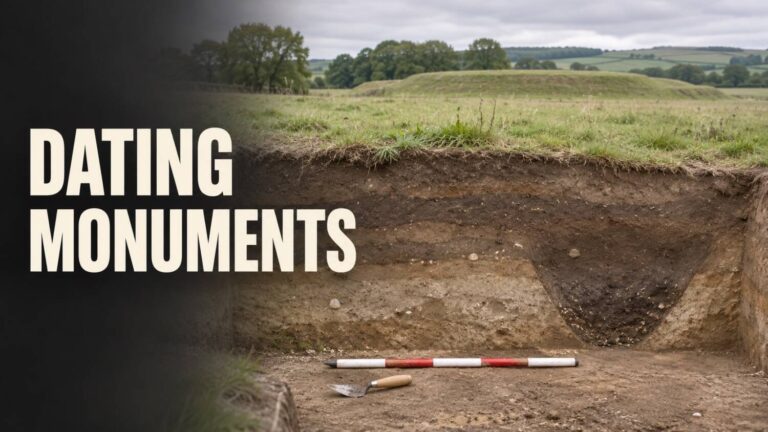
The guide to how archaeologists date monuments compares that plaster sample with grains from a buried earthwork at Scorton. The Giza case shows how written records can add another clue. When reading a new claim, look for the original excavation report or monument record. Check where the sample came from and what its position says about the event being dated.
Then return to the feature that caught your eye. At Sacsayhuamán, it might be a seam you can follow across several blocks. At Baalbek, it might be the gap between a stone the workers left in the quarry and three they fitted into the wall.