On the broken calendar ring of the Antikythera Mechanism, a row of small holes survives beneath part of the dial. Their spacing lets researchers estimate how many holes ran around the complete ring. For a person building a replica, that missing number determines what has to fit around the dial.
Start with the parts that survive
The Antikythera Mechanism survives in corroded fragments recovered from a shipwreck. In research published in 2006, investigators used X-ray scans and surface imaging to study gears and inscriptions. Gear teeth constrain the ratios a model can use. Inscriptions help identify what some of its dials represented.
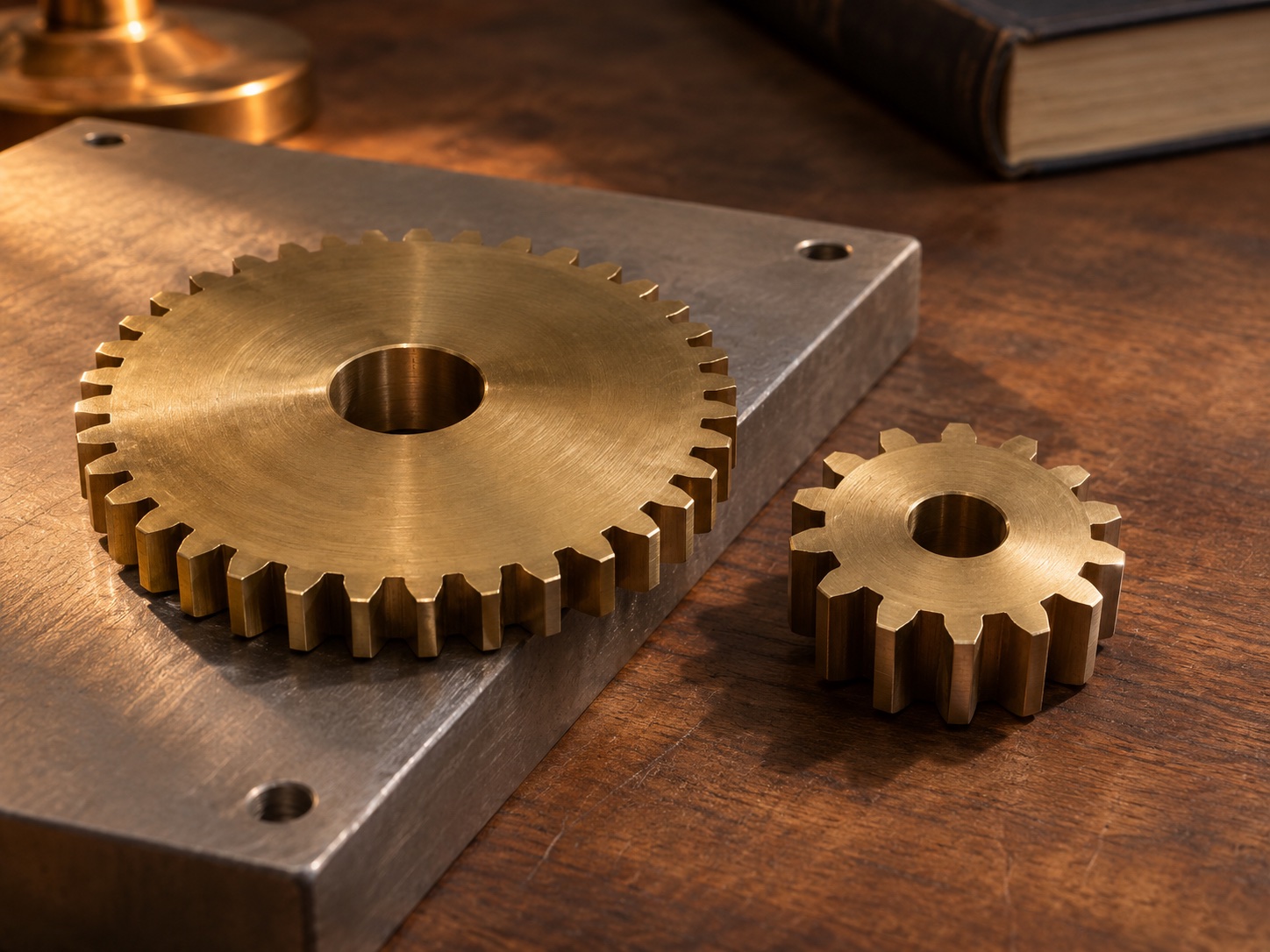
An experiment can begin with one of those constraints. For example, a replica can test whether a set of gears can turn through a cycle in the available space. A successful build shows that the proposed arrangement can work with the materials and dimensions tested. A photograph of a moving pointer tells a reader less than a tooth count and a record of which gears drove it.
Where the model has to make a choice
A 2021 reconstruction by Tony Freeth and colleagues proposed a compact arrangement for the front display. The design was built around surviving evidence and astronomical cycles, with proposed components where the original mechanism has gaps. Another team could use the same surviving parts and test a different way to fit those components together.
The ring holes offer a separate test. In a 2024 analysis, Graham Woan and Joseph Bayley estimated about 355 holes from all the measurements and about 354 when holes next to fractures were excluded. Under their model, 365 holes fit poorly. A builder can use those results to check a calendar-ring choice while the rest of the gear design remains a separate question.
Read the experiment alongside the object
A reconstruction becomes easier to evaluate when its makers identify the measured parts, list the decisions they made for the missing parts and record how they tested the result. The next step is to look for evidence the design did not use. A pattern that fits an independent inscription or a previously unmeasured fragment gives the proposal more weight.
The small holes are a reminder of where progress can come from. A new estimate of how many holes fit around the ring can narrow the choices for one part of a finished replica, even when the shape of the rest looks convincing in the workshop.