Stories about cursed or haunted objects appear in cultures around the world. People have long feared items believed to carry bad luck, spiritual attachment, emotional residue, harmful energy, or connections to tragic events.
Common examples include:
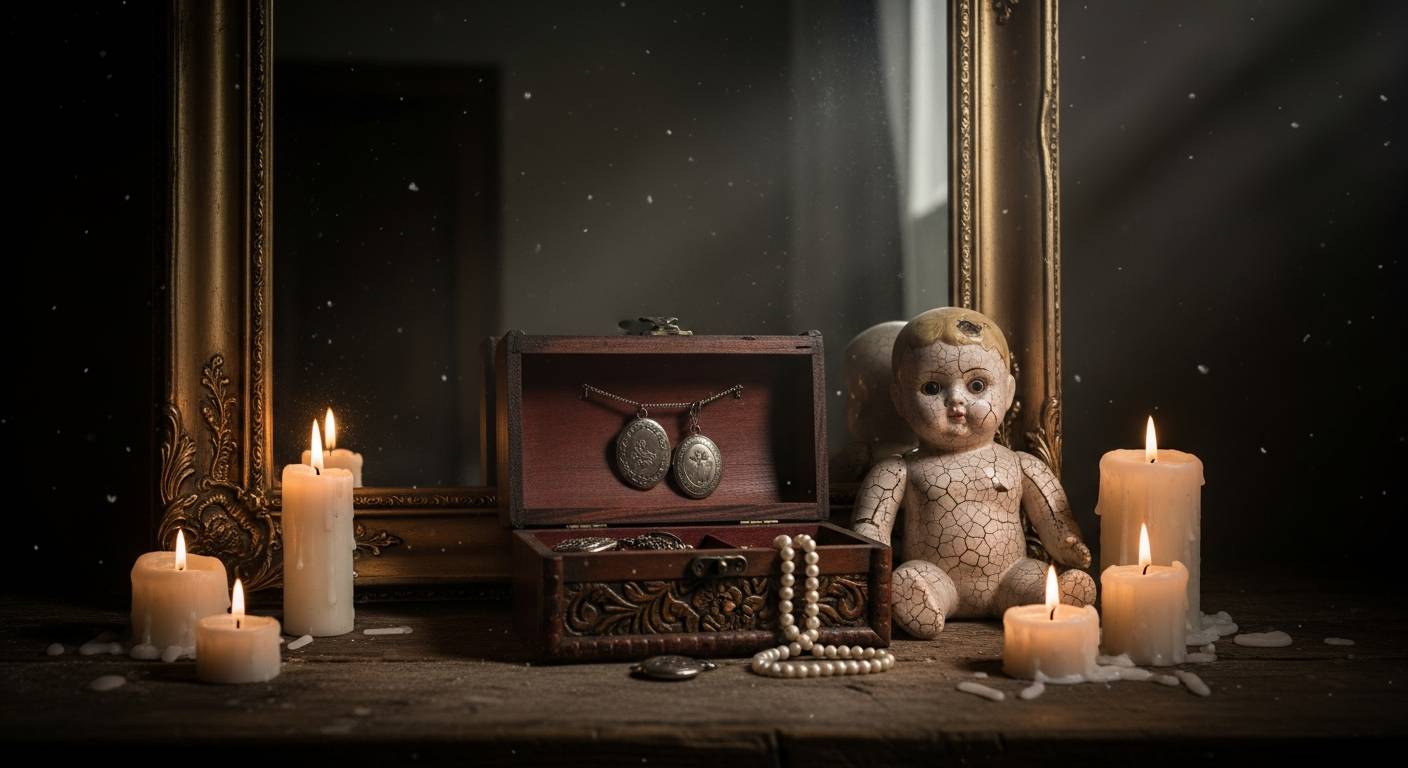
- Antique mirrors
- Jewelry connected to death or conflict
- Creepy dolls
- Occult books or ritual objects
- Family heirlooms
- Objects connected to traumatic events
- Items with disturbing histories
Sometimes the fear surrounding an object comes from folklore, personal experience, unsettling emotions, or stories connected to the item itself. In other cases, people believe certain objects may carry spiritual or paranormal energy.
Common Signs People Associate With Cursed Objects
People who believe an object may be cursed often describe experiences such as:
- Feeling emotionally uneasy around the item
- Sudden anxiety or dread
- Repeated bad luck after acquiring the object
- Nightmares or disturbing dreams
- Feeling watched or uncomfortable
- Obsessive thoughts about the item
- Conflict or emotional tension connected to the object
- Strange coincidences after bringing it home
Some people also report unusual smells, noises, electrical issues, or intense emotional reactions connected to specific objects.
Importantly, emotionally charged stories and expectations can strongly influence how people experience ordinary events.
Why Haunted Objects Feel So Convincing
Objects can become emotionally powerful because humans naturally attach memories, symbolism, emotions, and stories to physical items.
An object connected to grief, trauma, fear, death, conflict, superstition, or disturbing folklore may begin feeling emotionally charged even without paranormal activity.
Psychologists sometimes describe this as emotional projection, expectation effects, or meaning attachment. Once someone believes an object is cursed, the brain may begin interpreting unrelated stress, anxiety, coincidences, or ordinary problems through that lens. citeturn0search1turn0search4turn0search8
This does not mean the emotional experience is fake. Fear and symbolic meaning can have a very real psychological impact.
Haunted Dolls, Mirrors, and Antique Objects
Certain categories of objects appear repeatedly in paranormal folklore and online stories.
Haunted dolls often create fear because they resemble human figures while remaining emotionally expressionless. Mirrors have long been associated with superstition, reflection, spirits, and symbolism across many traditions.
Antiques and inherited objects may also feel emotionally heavy because they carry visible signs of age, unknown history, or connections to previous owners.
Online paranormal culture has amplified many of these fears through viral stories, haunted object videos, cursed-item auctions, and ghost investigation content.
Can Anxiety Make an Object Feel Cursed?
Anxiety, stress, hypervigilance, OCD tendencies, intrusive thoughts, and paranormal fear can all intensify the feeling that an object is dangerous or spiritually contaminated.
People may begin:
- Monitoring the object constantly
- Associating every negative event with it
- Avoiding touching or looking at it
- Feeling emotionally trapped by fear
- Seeking repeated reassurance
- Interpreting coincidences as proof of danger
Magical thinking and uncertainty intolerance can make these fears feel emotionally overwhelming, especially during stressful periods of life. citeturn0search2turn0search11turn0search15
This is one reason grounded emotional support and practical thinking are important when fears around objects begin escalating.
Spiritual Beliefs About Energy and Objects
Many spiritual traditions believe objects can absorb emotional, symbolic, or energetic meaning. Some practices involve cleansing, blessing, prayer, smoke cleansing, salt rituals, or protective symbols intended to restore emotional comfort and spiritual safety.
Even people who are not strongly religious sometimes perform cleansing rituals because they help create calm, emotional reassurance, and a sense of control.
The healthiest spiritual approaches usually reduce fear rather than intensify panic or obsession.
What To Do If an Object Makes You Uncomfortable
If an object genuinely makes you feel distressed, unsettled, or emotionally unsafe, it is reasonable to remove it from your environment.
Helpful approaches may include:
- Taking a break from paranormal content surrounding the object
- Cleaning or reorganizing the space
- Removing emotionally upsetting items
- Performing calming spiritual rituals
- Talking through fears with trusted people
- Journaling your experiences objectively
- Reducing reassurance-seeking spirals
Sometimes simply creating a calmer environment dramatically reduces the emotional intensity surrounding the object.
How People Dispose of or Cleanse Cursed Objects
Different spiritual traditions recommend different approaches for handling objects believed to carry negative energy.
Common practices include:
- Donation or removal
- Burial or symbolic disposal
- Prayer or blessing rituals
- Smoke cleansing
- Salt cleansing
- Returning inherited items
- Storing the object away from living spaces
There is no universally accepted method because beliefs surrounding cursed objects vary widely across cultures and spiritual systems.
In many cases, the emotional relief people feel afterward comes from restoring a sense of safety and control.
Not Every Unsettling Object Is Paranormal
Objects connected to fear, grief, superstition, disturbing stories, or emotional memories can feel deeply unsettling without necessarily being supernatural.
At the same time, many people remain spiritually open to the idea that certain places or objects may carry emotional or symbolic energy.
What matters most is responding calmly and thoughtfully instead of spiraling into fear, panic, or obsessive reassurance-seeking.
An object making you uncomfortable does not automatically mean you are haunted, cursed, or in danger. Often, emotional grounding, healthy boundaries, and reducing fear-based focus create far more relief than escalating paranormal anxiety.