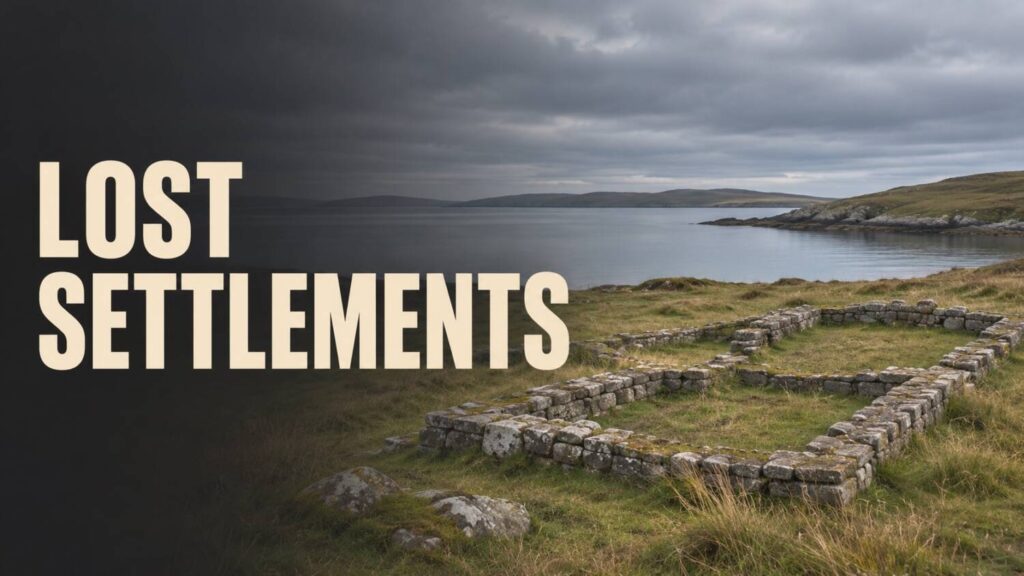
The Norse church at Hvalsey has walls a visitor can still see. Ancient Helike is sought beneath a coastal plain. At Shisr in Oman, the ruins are known while their connection to a name is disputed. Calling all three lost can hide the first thing a search needs to establish. What, exactly, is missing?
When the people leave the record
In Norse Greenland, archaeologists can examine former farms and churches. The dates of the last written records are easier to establish than the dates when people stopped using individual sites. Animal bones, sediments and buildings can extend that record, but each covers a particular place or activity.
The Roanoke colony offers a different gap. The National Park Service account of John White’s 1590 return records the word CROATOAN carved at the deserted settlement. The carving was a lead about where people may have gone. White’s inability to follow it left their subsequent movements outside his account.
When the landscape moves
The search for ancient Helike took researchers from accounts of inundation to buried layers on the modern coastal plain. Cores can show where water once lay. Excavation and dating are needed to connect the right layer with the right settlement. A delta can preserve traces from several episodes of building and flooding in the same field.
At Shisr, the sequence ran from tracks visible in satellite images to examination of the place where they converged. The tracks helped explain how people moved. Identifying the site with a place named in a text requires evidence that connects the name to those ruins.
From a lead to a verified site
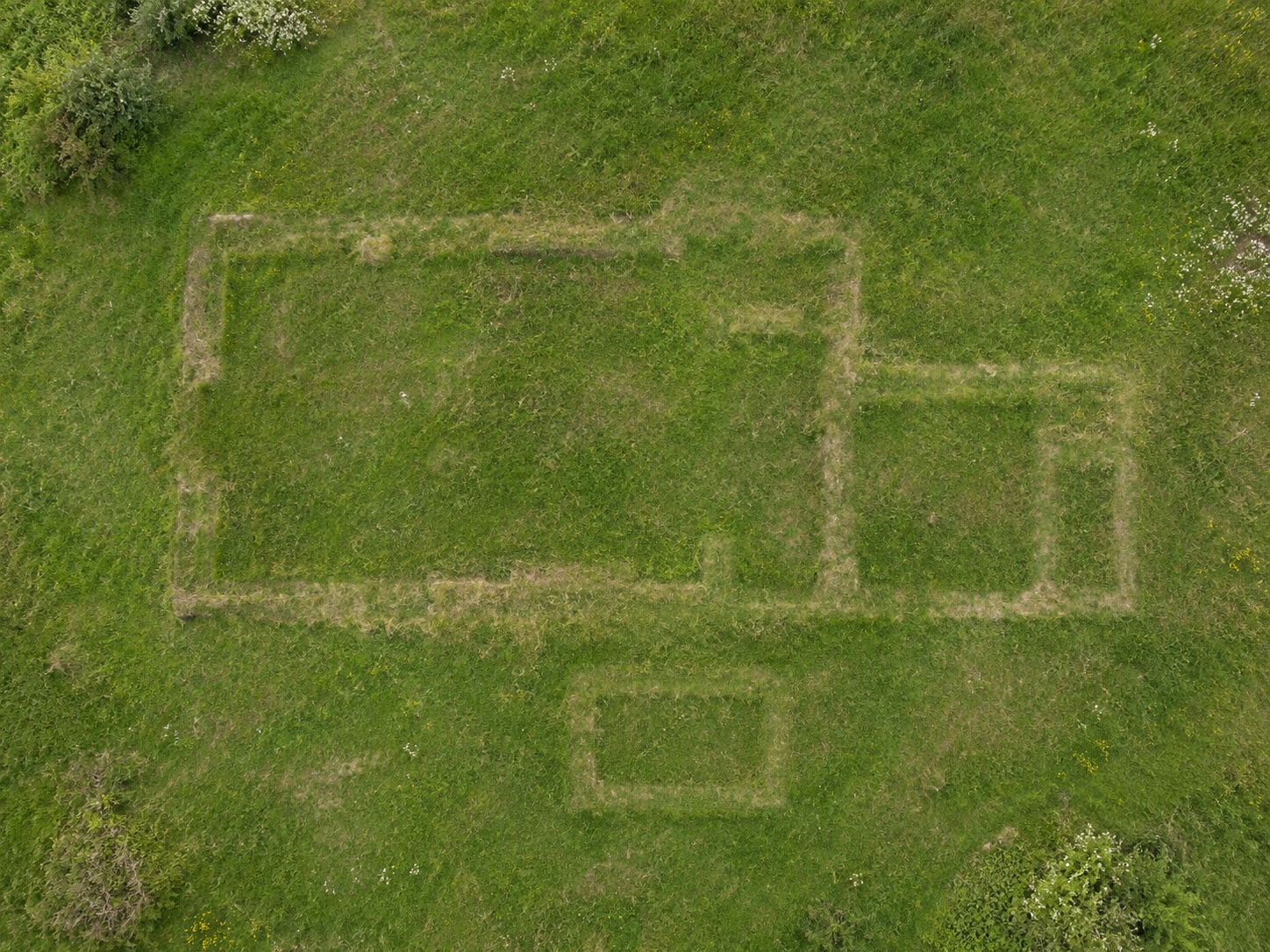
The search for HMS Erebus shows how different kinds of evidence can meet. Inuit knowledge helped guide the search area. Archaeological finds on land and underwater gave the team further evidence to identify the wreck. The discovery located a ship from the Franklin expedition. Other questions about the people on board still need their own evidence.
When a discovery is announced, look for the step that connects the claim to the ground. That might be a date from a known layer, a distinctive feature on a hull or an inscription that gives a site its name. Knowing which question that step answers makes it easier to see what is still missing.