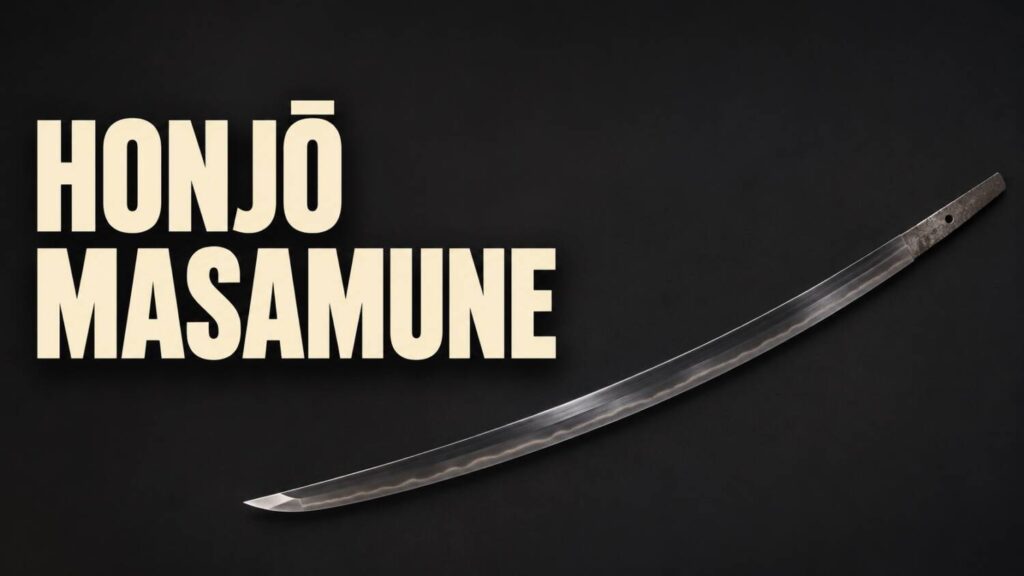
In December 1945, Tokugawa Iemasa reportedly took a group of family swords to the Mejiro police station in Tokyo. Among them was the Honjō Masamune, an heirloom associated with the Tokugawa shoguns. The address gives the search a place to start. The accounts become less certain when the swords are said to have left the station.
The trail reaches Mejiro
The surrender of Japan brought weapons under Allied control. Swords moved through different channels, and the history of one can be easy to confuse with the history of another. The US Naval History and Heritage Command, for example, documents a different sword surrendered in 1945 and identifies its officers and circumstances. That record shows the kinds of names and dates a documented transfer can preserve.
In a specialist account of the Honjō Masamune, Guido Schiller places the transfer to Mejiro in December and reports that the station handed the swords to a sergeant on 18 January 1946. His account cites historical sword descriptions and acknowledges research in US archives. The reported handover gives a date to investigate. The recipient’s identity remains uncertain, and a publicly verifiable sequence of later transfers has yet to emerge.
The description that survived
Japan’s Agency for Cultural Affairs lists an unsigned sword attributed to Masamune among missing designated cultural properties. The entry gives a blade length of 65.2 centimetres and a designation date in 1939. Those particulars match the description of the Honjō in Schiller’s account. The agency’s entry identifies the sword by its official designation, without using the Honjō name.
What would identify the blade?
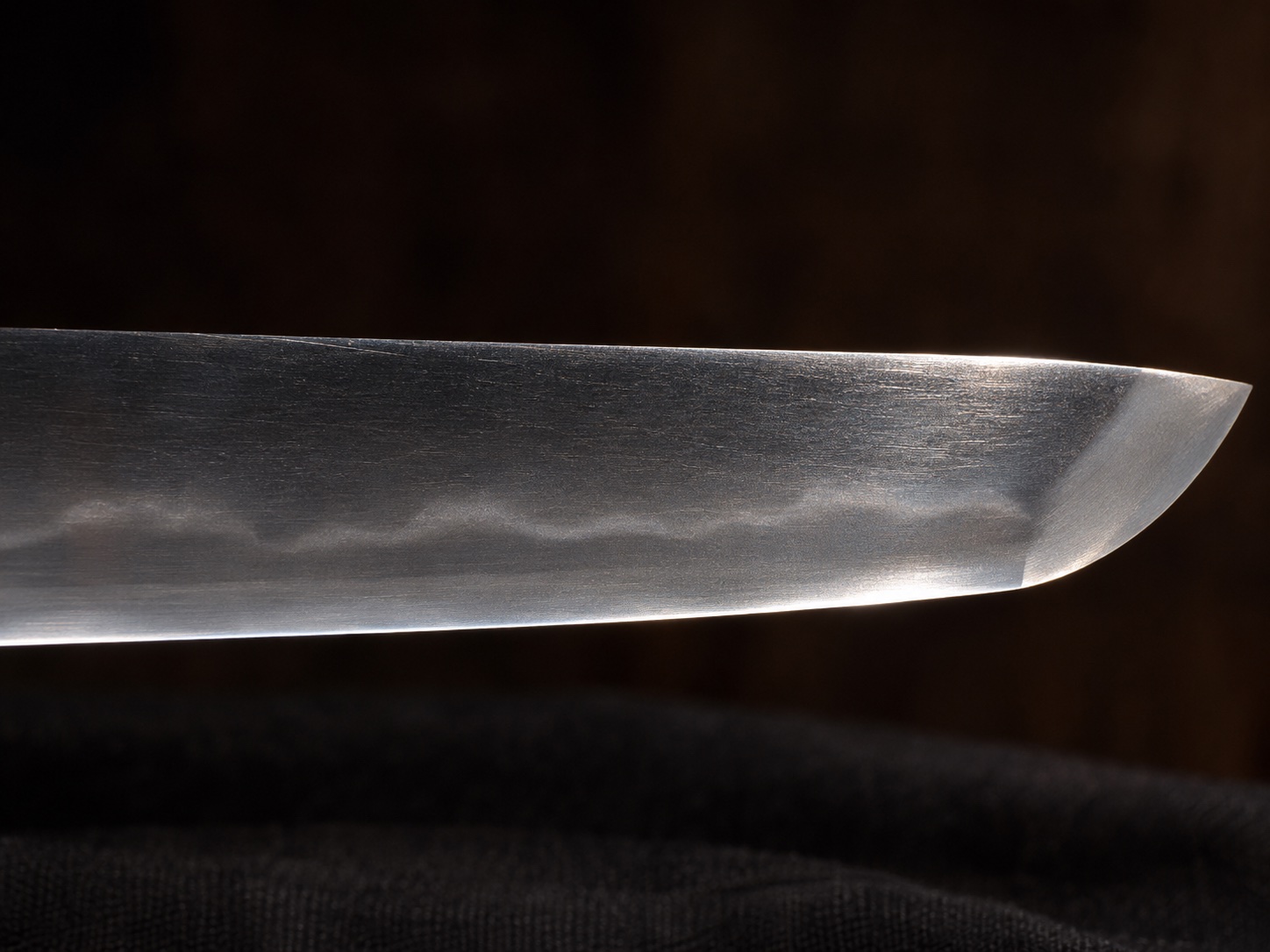
Masamune’s name alone would carry little weight in a recovery claim. The surviving description gives researchers several points to compare, including the blade’s size, form and recorded damage. The line formed by hardening the edge can also help specialists compare a blade with historical drawings. A custody record would have to show how the sword reached the place where it turned up.
How to Check a Lost Treasure Claim explains how those two lines of evidence work together. In this case, the blade description survived the reported transfer. The document that could securely name the next holder is still missing from the public trail.