In June 1954, a notice in The Wall Street Journal advertised four ancient manuscripts for sale. One was the Great Isaiah Scroll. Its route from the northern Dead Sea to a sale in the United States was already part of its history. The earlier question was how much of that route could be traced back to a particular cave.
A manuscript changes hands
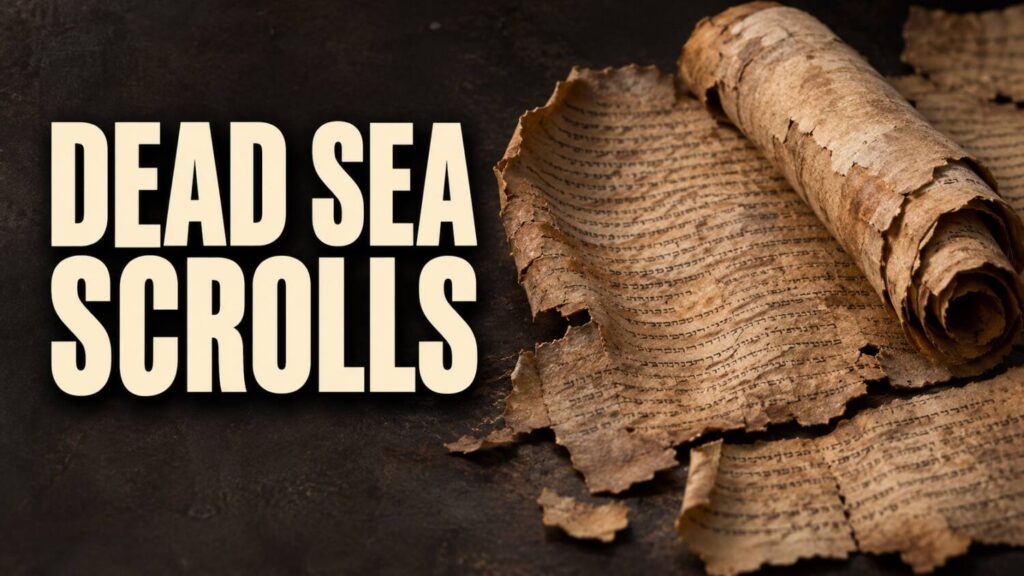
The Israel Museum’s account of the first scrolls places their discovery by Bedouin shepherds in the winter of 1946–47. The Great Isaiah Scroll was among four manuscripts that passed through the dealer Khalil Iskander Shahin, known as Kando, to the Syrian Orthodox cleric Athanasius Samuel in Jerusalem in 1947. The museum makes the manuscript available through its digital collection, where it is identified as the Great Isaiah Scroll, or 1QIsaᵃ.
In 1948, scholars at the American School of Oriental Research examined manuscripts brought to them from Samuel’s collection. John Trever photographed them. Those photographs recorded what the scholars saw in Jerusalem. They are evidence of the scroll’s condition and custody at that point, years before the museum collection was assembled.
What the cave could confirm
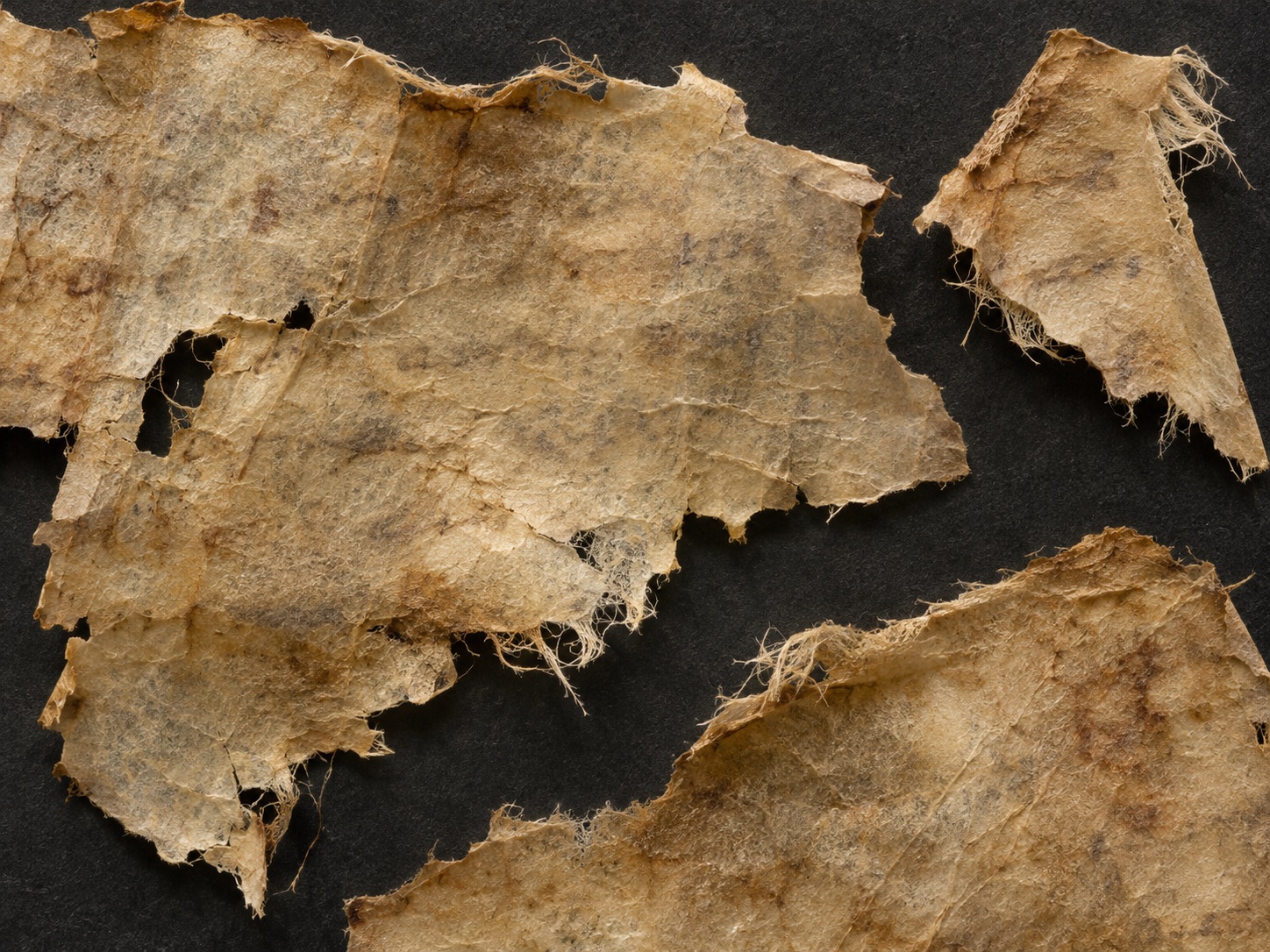
In 1949, a team including Roland de Vaux and Gerald Lankester Harding excavated the site now called Qumran Cave 1. The excavation recovered small manuscript fragments and pottery. It established a documented archaeological context for material found during that work. The first scrolls had already passed through several hands by then.
In a study of the early discovery records, Brent Nongbri examines how the link between the manuscripts circulating in Jerusalem and Cave 1 was established. The sequence matters because a reported findspot, a dealer’s account and an excavated fragment give researchers different ways to test an attribution. The strength of the connection can vary by manuscript.
A purchase and a public collection
Samuel took the four manuscripts to the United States. Yigael Yadin arranged their purchase in 1954 through an intermediary, with funding from D. Samuel Gottesman. The scrolls arrived in Israel in 1955 and are now associated with the Shrine of the Book. The purchase documents record the transfer of manuscripts already known to scholars.
Museum custody added another kind of record. The Israel Museum’s 2026 conservation account describes infrared and microscopic imaging carried out in 2024–25, including a systematic examination of the reverse. It documents the parchment as it survives now and gives researchers a basis for comparing its condition over time.
How to Check a Lost Treasure Claim explains how to follow those steps without losing sight of what each one establishes. A photograph can place the Isaiah scroll in Jerusalem in 1948. The cave association depends on evidence that reaches farther back.