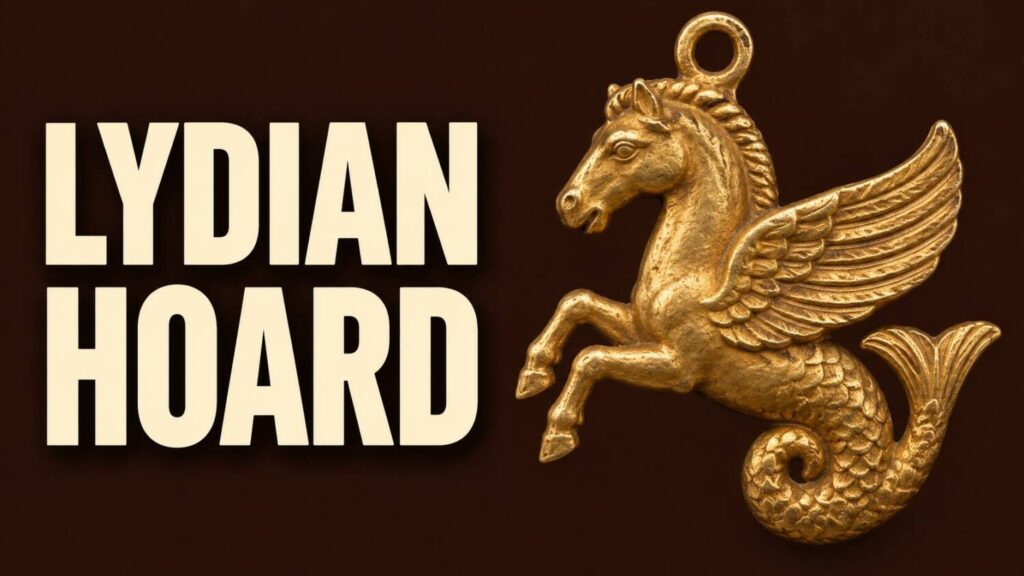
In 1993, a group of gold, silver and other objects held by the Metropolitan Museum of Art returned to Türkiye. The Turkish Ministry of Culture and Tourism records 363 objects in the return. The number belongs to a shipment and a settlement. The case for returning the objects reached back to several burial mounds in western Anatolia.
Following the objects back to Uşak
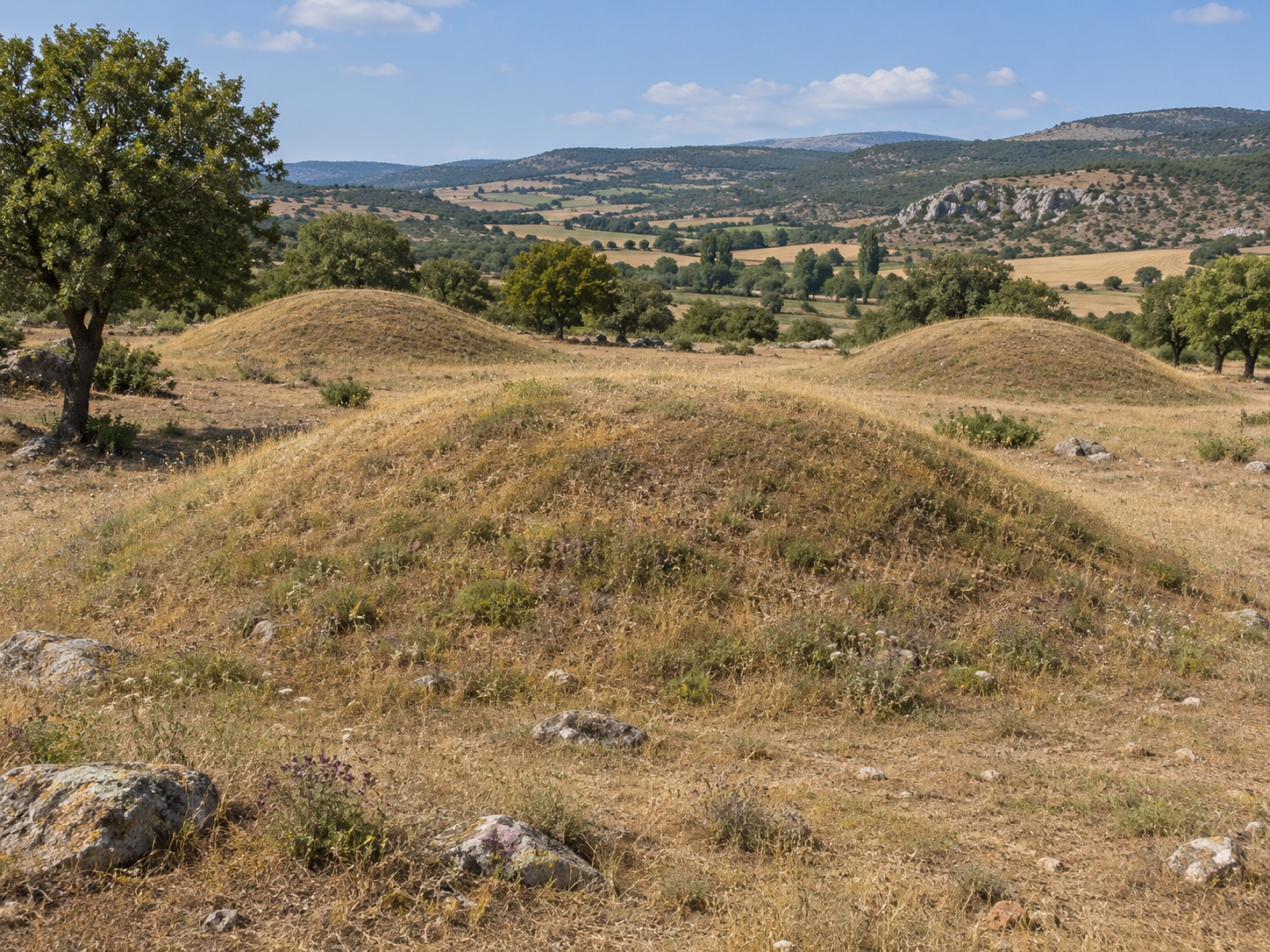
Burial mounds near Güre in Uşak province were looted in the 1960s. Objects from the group later appeared on the New York market and were acquired by the Met. In an account published by the Archaeological Exploration of Sardis, archaeologist İlknur Özgen describes the burials and the dispersal of their contents.
An intact burial gives objects a location and a relationship to other finds. Looting removes much of that context. Researchers could still compare the museum pieces with evidence from the mounds, including material left behind. Those links gave the claim more force than a broad resemblance to other Lydian work.
A lawsuit and a settlement
Türkiye filed suit in 1987. The University of Geneva’s case record traces the proceedings and the 1993 settlement. The museum agreed to return the collection. The settlement records the outcome of the dispute. The field evidence and acquisition records explain how the objects had become the subject of that dispute.
A second return for one brooch
One object took a later route of its own. A gold brooch in the form of a winged seahorse had been replaced with a copy while in Uşak. The ministry records the original’s return from Germany in 2013. That entry is separate from the record of the 1993 transfer from the United States.
How to Check a Lost Treasure Claim follows an object’s path across records like these. The Lydian Hoard name covers a group assembled from more than one burial. For the winged brooch, the later return needed its own date, its own transfer and a way to distinguish the original from the object that had taken its place.