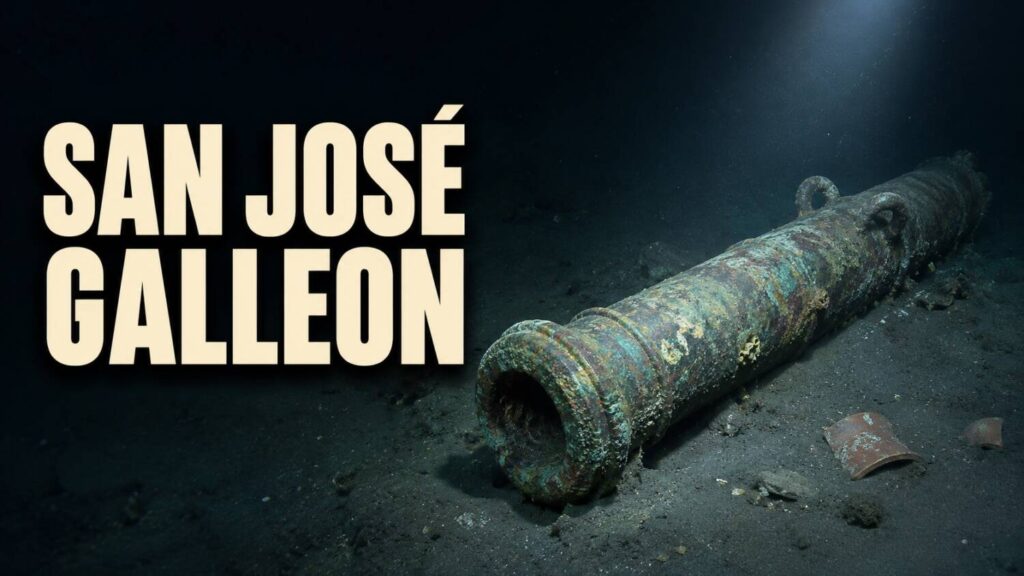
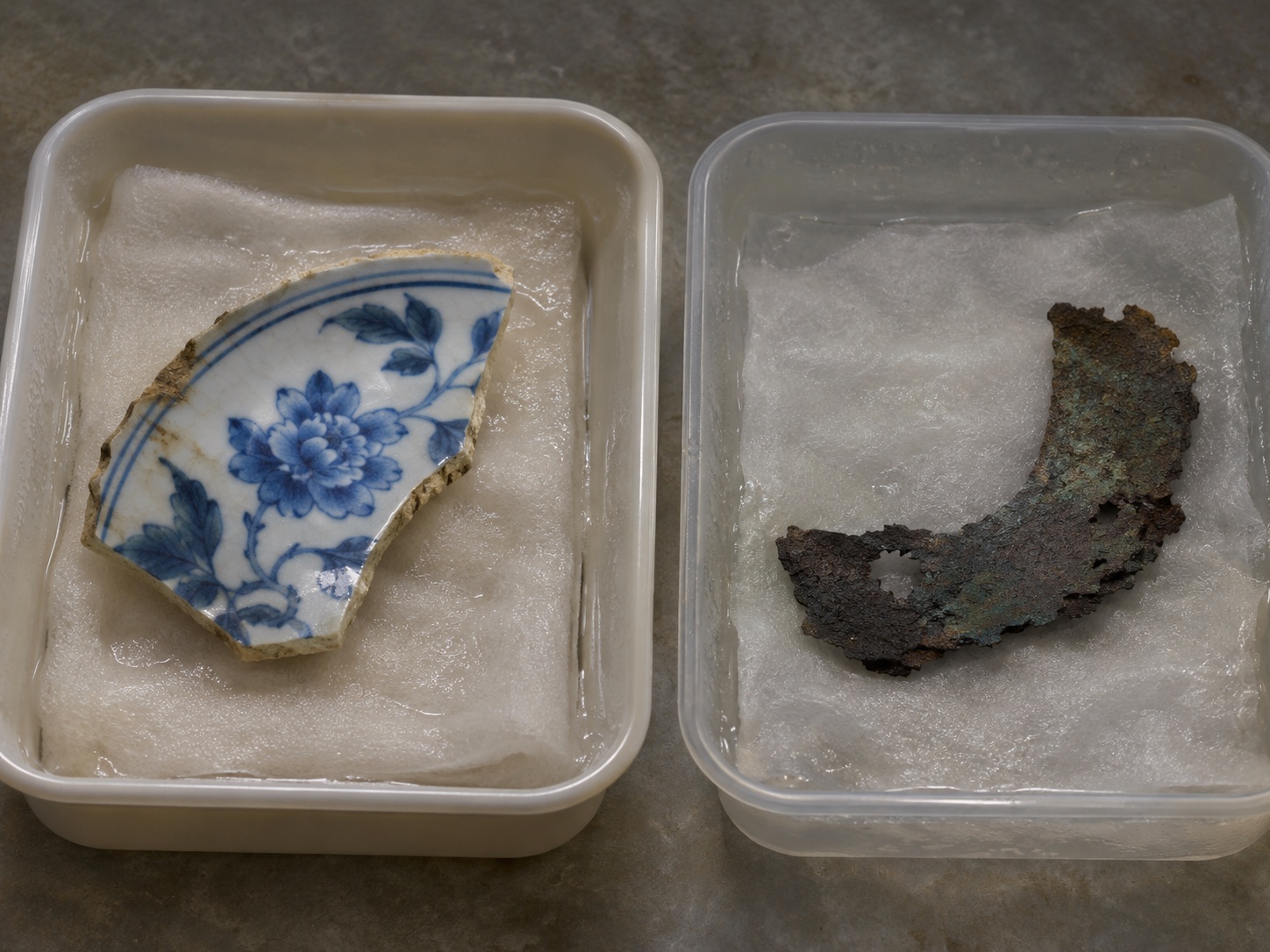
In November 2025, a Colombian team lifted a small group of archaeological objects from the San José wreck site. The operation included a cannon, coins and porcelain. The decision put those objects into conservation and gave scientists material they could study in the laboratory. It also created a documented set of transfers, from the seabed to Colombian care.
From discovery to conservation
The San José was a Spanish galleon lost in battle off what is now Colombia in 1708. Colombia announced its discovery in 2015 and designated the wreck site a cultural asset of national interest in 2020. The Ministry of Cultures project record describes the government’s archaeological programme and its approach to protecting the site.
In August 2026, the Colombian Institute of Anthropology and History reported laboratory work on three gold coins, a cannon, porcelain and other material associated with the wreck. Scientists examined corrosion and analysed a piece of rope attached to the cannon. That work helps explain the objects and their environment. The official recovery record establishes which material Colombia brought ashore for study.
The dispute over the earlier search
Sea Search-Armada says its predecessor identified the wreck area in the early 1980s and claims that Colombia’s later actions impaired its rights. Colombia disputes the claim. The proceeding is an investor-state arbitration under the US–Colombia trade agreement. The UNCTAD case record lists it as pending as of 12 November 2026. Its subject is the company’s asserted rights and Colombia’s conduct under the agreement.
A separate investor claim came from Maritime Archaeology Consultants Switzerland AG, which was involved in the later search. Colombia’s legal defence agency records that proceeding as ICSID case ARB/25/4, registered in January 2025. It concerns a different claimant and a different stage of the search.
Spain and the Qhara Qhara
Spain has a historical connection to the galleon and its naval service. Its Ministry of Culture documented discussions with Colombia in 2019 about cooperation on the wreck. Those talks are a separate record from the investor case. The archaeological programme likewise has its own documents, including the inventory and conservation record for the recovered sample.
Representatives of the Qhara Qhara nation in Bolivia have also sought recognition of their historical connection to the cargo through colonial mining in the Andes. Bolivia’s Chamber of Deputies publicly backed that claim in 2024. It raises questions about who produced the wealth the ship carried and whose history the research should include.
How to Check a Lost Treasure Claim explains how to follow a transfer or an assertion back to the record that supports it. For the San José, the conservation team can trace the cannon it received. The claims about the searches and the history of the cargo each depend on a different set of records.