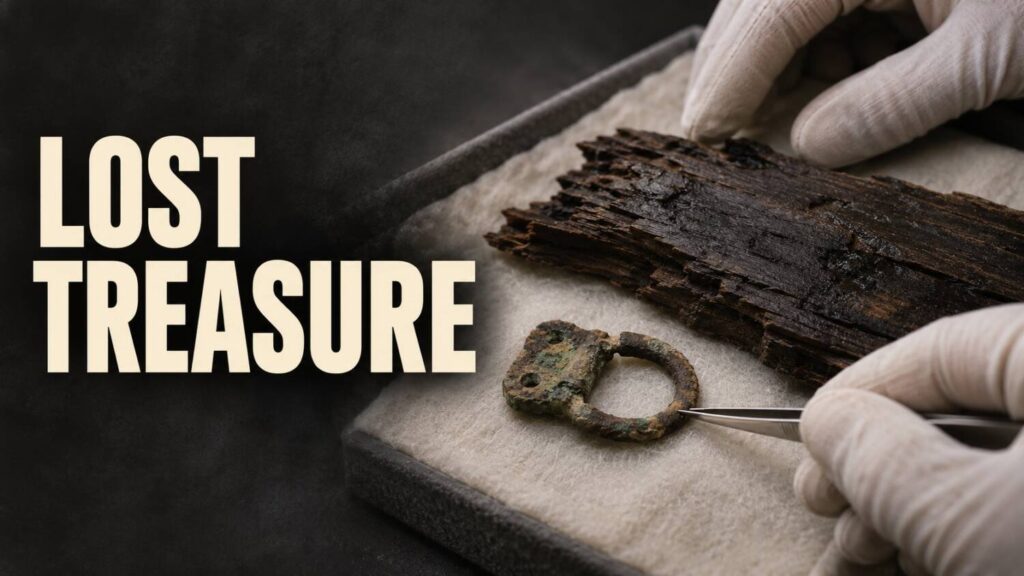
The story of a shipwreck may name a gold table. A museum record may contain a small buckle. Each can tell you something about what was aboard, but their value depends on the evidence attached to them. The table needs a source that places it on the ship. The buckle needs a record of where it was found.
Start with what someone counted
A manifest records what someone intended to load or declared at a particular point in a voyage. A later account can remember striking losses without listing the whole cargo. The Flor de la Mar case has a narrative that names jewellery and furnishings. It leaves too many gaps to support a total weight or reliable price.
For a claim about a particular object, start with the earliest description that can be dated and ask whether it identifies one piece or a whole class of objects. A gold ring can occur in many inventories. A dated repair, maker’s mark or combination of dimensions may connect a later record to the same ring.
Follow the object from hand to hand
Provenance is the documented history of an object’s custody. Find context is the position and setting where it was recovered. Both matter. In the Amber Room case, the museum’s account traces the room’s wartime removal and the work that produced the reconstruction now on display. Records of that work establish the history of the current room. A claim that a panel from the original has surfaced would require its own documentation.
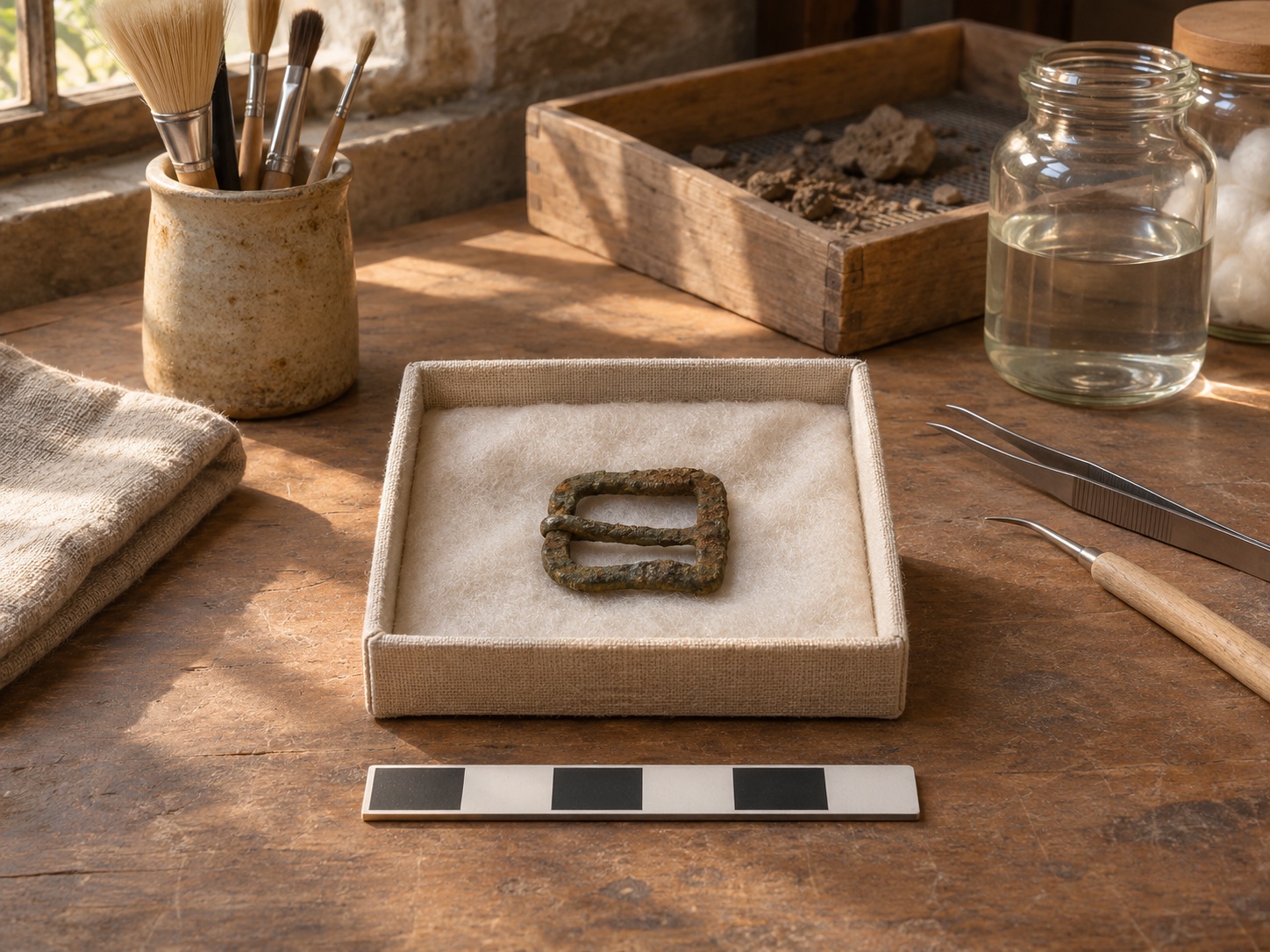
What a recovery record adds
The Mary Rose collection preserves the kinds of ordinary objects a treasure story often skips. Items such as shoes, tools and weapons can be studied as part of an assemblage from a documented wreck. Where they lay can matter as much as what they are made from.
The UNESCO principles for underwater cultural heritage give priority to preservation in place. A documented discovery can therefore provide evidence about an object without bringing it ashore. If something is recovered, records of its position, handling and later custody help preserve the connection to the site.
The best claim can be followed from a description to a particular object, and from that object back to a recorded context. When the trail stops at a valuation or an isolated photograph, look for the missing document that would let another person check the identification.