

A practical and emotionally grounded guide explaining sleep paralysis, including common symptoms, spiritual interpretations, hallucinations, anxiety connections, and ways to reduce fear and improve sleep quality.
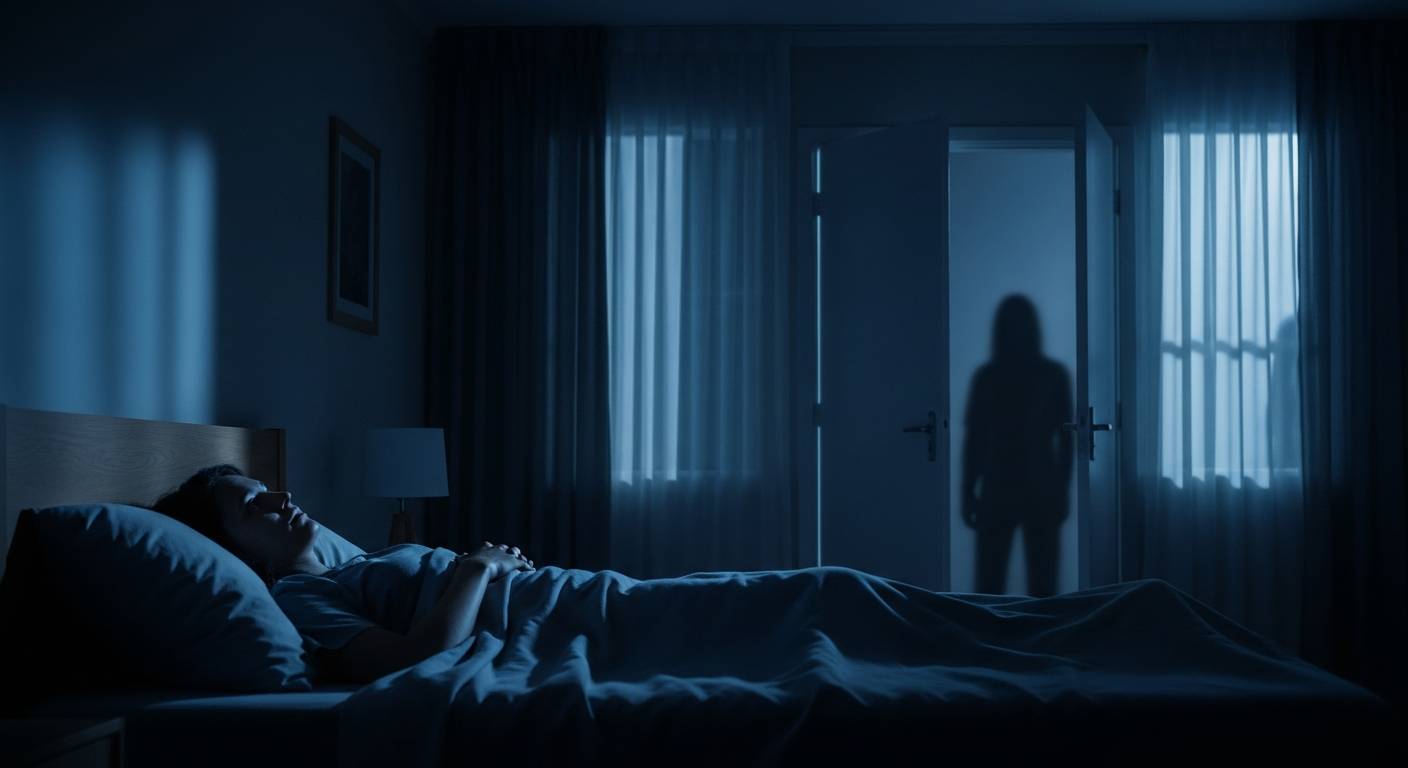
Sleep paralysis can feel intensely real. Many people describe waking up unable to move, sensing a presence in the room, hearing whispers, or feeling pressure on their chest. Some report seeing shadow figures, strange creatures, or flashes of light. Others feel as though they are floating, being pulled, or leaving their body.
These experiences often happen during the transition between dreaming and waking. Part of the brain is awake while the body is still temporarily in a sleep state. Because the mind is alert but the body cannot move yet, fear can rise quickly and dream imagery may blend into waking awareness.
For people who have never experienced it before, sleep paralysis can feel paranormal, spiritual, or deeply unsettling. Across many cultures, similar experiences have been interpreted as spirit encounters, demons, night visitors, or supernatural attacks.
Common Sleep Paralysis Experiences
Although every experience is different, several themes appear again and again in personal stories:
- Feeling unable to move or speak
- Sensing a person or presence nearby
- Hearing whispers, buzzing, footsteps, or voices
- Seeing shadow figures or distorted shapes
- Feeling pressure on the chest
- Experiencing vibrations or floating sensations
- Feeling watched or threatened
- Believing something entered the room
These experiences are surprisingly common. Researchers believe they are connected to REM sleep overlap, where dream imagery and temporary muscle paralysis continue briefly after waking.
Spiritual Interpretations of Sleep Paralysis
Many people approach sleep paralysis through a spiritual lens. Some interpret the experience as heightened sensitivity, astral projection, spirit communication, or an encounter with negative energy. Others believe certain experiences reflect emotional or energetic overwhelm rather than literal entities.
Spiritual traditions around the world have attached meaning to these nighttime encounters for centuries. In some cultures, shadow figures are interpreted as spirits or supernatural visitors. In others, the experience is seen as an energetic imbalance, psychic sensitivity, or a fear response amplified by altered states of consciousness.
For spiritually minded people, it can help to approach the experience calmly rather than assuming the worst. Grounding rituals, prayer, meditation, protective visualization, or cleansing practices may help reduce fear and create a sense of emotional safety.
At the same time, it is important to avoid escalating anxiety by constantly searching for signs of possession, curses, or attacks. Fear itself can intensify recurring episodes and make sleep more stressful.
The Anxiety and Sleep Science Perspective
From a sleep science perspective, sleep paralysis happens when REM sleep overlaps with waking consciousness. During REM sleep, the body naturally enters temporary muscle paralysis so people do not physically act out dreams. Sometimes the brain wakes up before the body fully exits that state.
Stress, irregular sleep schedules, anxiety, trauma, sleep deprivation, and sleeping on the back are all linked to a higher chance of episodes. Hallucinations during sleep paralysis can feel extremely vivid because the brain is still partly generating dream imagery while awareness returns.
This does not make the experience imaginary or meaningless. The fear, sensations, and emotional impact are very real. But understanding the sleep mechanism behind the experience can help reduce panic and feelings of helplessness.
Why People Hear Voices, Whispers, or Feel a Presence
Auditory hallucinations are common during sleep paralysis. People may hear whispers, humming, static, footsteps, breathing, or someone calling their name. Others feel certain that someone is standing nearby even when the room is empty.
Sleep researchers sometimes describe these experiences as hypnagogic or hypnopompic hallucinations, which happen during transitions into or out of sleep. The brain blends dream perception with waking awareness, creating experiences that can feel emotionally convincing.
Cultural beliefs can also shape what people perceive. Someone raised with strong fears about demons or spirits may interpret the experience differently from someone who sees it as a sleep phenomenon.
Can Sleep Paralysis Be Connected to Astral Projection?
Some people notice vibrations, floating sensations, or out-of-body experiences during sleep paralysis. In spiritual communities, these sensations are sometimes linked to astral projection or altered states of consciousness.
Others view them as normal neurological sensations that occur during REM transitions. Both interpretations exist within spiritual and paranormal discussions.
What matters most is staying emotionally grounded. If exploring meditation, lucid dreaming, or astral practices increases fear, exhaustion, or obsessive thinking, it may help to slow down and focus on healthy sleep habits and emotional balance first.
How to Reduce Sleep Paralysis Episodes
While occasional sleep paralysis is common, recurring episodes can become emotionally exhausting. These strategies may help reduce episodes and improve sleep quality:
- Maintain a more consistent sleep schedule
- Reduce stress and emotional overstimulation before bed
- Limit sleep deprivation whenever possible
- Avoid excessive stimulants late at night
- Practice calming bedtime routines
- Try side sleeping if episodes happen mostly on your back
- Reduce doom-scrolling or frightening paranormal content before sleep
- Seek support if anxiety or trauma symptoms are worsening
Some people also find comfort in grounding spiritual practices such as prayer, cleansing rituals, journaling, breathwork, or meditation.
When to Seek Medical or Mental Health Support
Sleep paralysis itself is usually physically harmless, but frequent episodes can affect mental wellbeing and sleep quality. It may help to speak with a healthcare professional if episodes become severe, frequent, or connected to panic, PTSD symptoms, daytime exhaustion, or ongoing sleep disruption.
Persistent hallucinations outside sleep transitions should also be taken seriously and evaluated properly.
Seeking support does not invalidate spiritual beliefs. Many people hold both grounded psychological understanding and personal spiritual meaning at the same time.
Finding Calm After a Disturbing Experience
One of the hardest parts of sleep paralysis is how convincing it feels in the moment. The fear, pressure, sounds, and visions can linger long after waking.
Reminding yourself that the experience is temporary can help reduce panic during future episodes. Many people find that once they understand what sleep paralysis is, the fear slowly becomes more manageable.
Whether you view the experience through a spiritual, psychological, or paranormal lens, approaching it with curiosity, emotional balance, and self-care is often healthier than spiraling into fear.