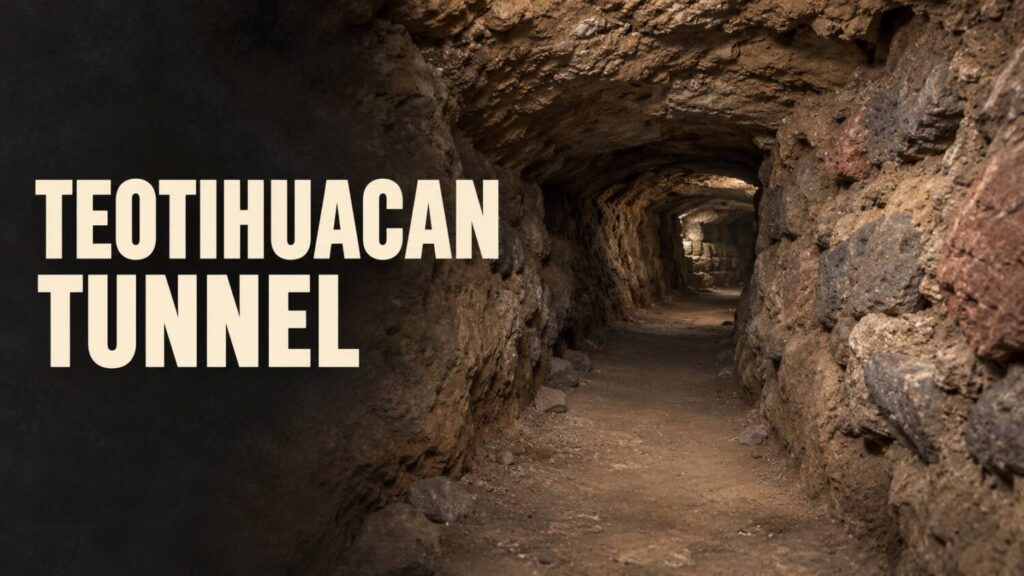
In October 2003, a hole opened near the Temple of the Feathered Serpent at Teotihuacan. Archaeologist Sergio Gómez Chávez descended on a rope. Below the Ciudadela, he found the entrance to a passage that had been deliberately closed in antiquity.
A tunnel under the Ciudadela
Mexico’s National Institute of Anthropology and History, or INAH, describes a tunnel about 103 metres long that reaches roughly 18 metres below the surface. It runs beneath the temple. The city also has other underground features, so finds from those spaces belong to their own excavation records.
The team used a robot and laser scanning alongside excavation to document spaces and deposits. The position of an object mattered. A group deliberately placed near the end of the passage gives different evidence from an object mixed into material used to close it.
Objects along the passage
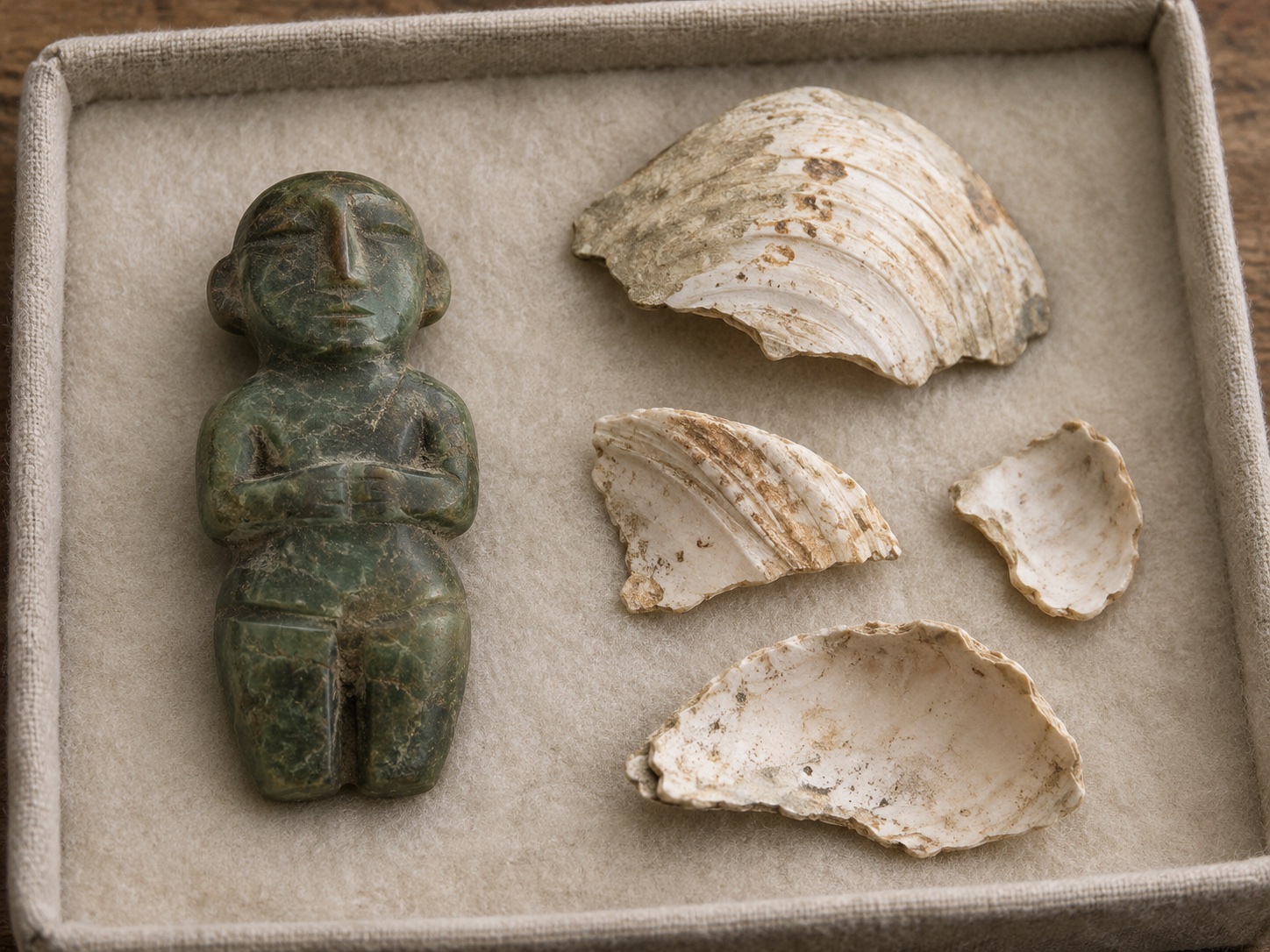
INAH records shell ornaments, small obsidian points, mirrors and wooden objects among the finds. In its 2026 report on the excavation volume, the institute also identifies materials including rubber, amber, jadeite and turquoise. These identifications give researchers a basis for studying links with other parts of Mesoamerica.
The same report describes radiocarbon work placing use of the tunnel near the start of the Common Era and its closure around 250 CE. Those dates help establish when people used and sealed the passage. The meaning of any particular deposit depends on where it lay and what was found with it.
Reading the deposits
INAH researchers interpret the tunnel as a representation of the underworld. They have also suggested it could have been used in ceremonies that helped confer political authority. The passage beneath the temple and the placement of offerings provide evidence for ritual use. Identifying a specific ceremony or the people who took part calls for more direct evidence.
The hole that opened in 2003 gave the team a way into the passage. The excavated sequence now gives readers a way to follow it, from the entrance and deposits along the route to the material used to seal it.
Explore the evidence at other sites in How to Read an Ancient Monument.