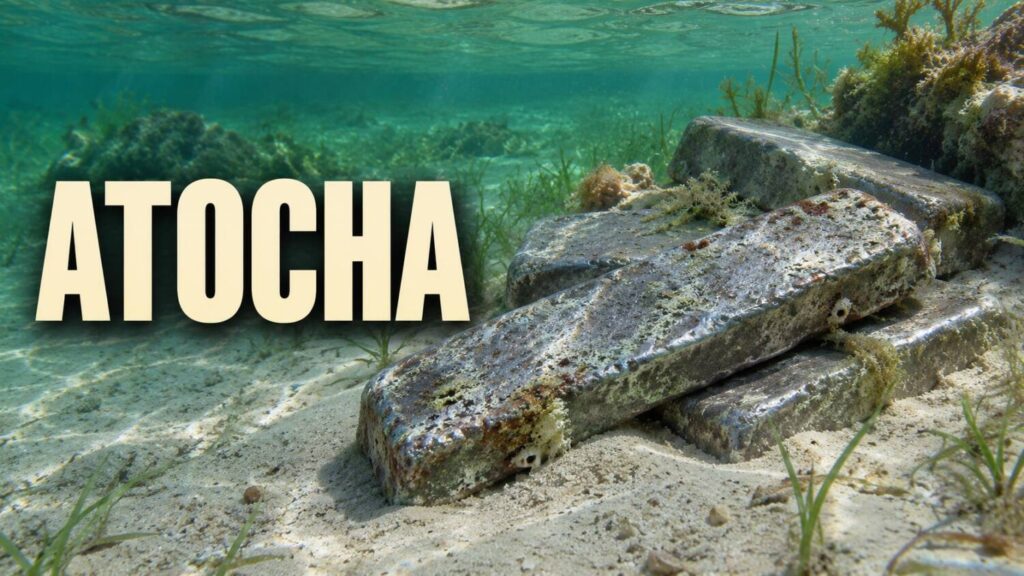
Before the largest concentration of silver was found, divers working off the Florida Keys had a narrower clue. Several bars bore marks that could be checked against the cargo record of the Nuestra Señora de Atocha. A wreck from the right century could have carried Spanish silver. A bar that could be matched to the ship’s paperwork gave the search a more precise lead.
The ship and its cargo record
The Atocha sank in a storm in 1622. It was sailing with a Spanish fleet that carried cargo gathered in the Americas, including registered silver bars and coins. The surviving paperwork records what officials entered for the voyage. The wreck also carried equipment, belongings and material that might never have appeared in the cargo list. The two records overlap where an object can be tied to an entry.
The search had produced finds and led to litigation before the principal concentration was located in July 1985. The US Supreme Court’s 1982 opinion records the earlier dispute over recovered objects held by Florida officials. The decision dealt with the ability to recover those objects from state officials and the limits of adjudicating Florida’s interest. It belongs to a different part of the wreck’s history from the evidence used to identify it.
A stamped bar is a starting point
In a report prepared for the Florida Keys National Marine Sanctuary, the recovery team describes how bars bearing marks that could be compared with the manifest helped trace a spread of objects. The report brings the marks together with the position of finds on the seabed. That matters because a storm and the movement of a breaking hull can scatter cargo well beyond its main concentration.
In June 2026, the recovery team reported another silver bar, weighing about 22.5 pounds. That announcement establishes what the team reported finding. The object’s recorded findspot, marks and conservation history are the details that would allow other researchers to assess its attribution.
Following a bar after recovery
Spain’s National Museum of Underwater Archaeology has also documented shackles from the wreck in a 2026 exhibition with the Naval Museum in Cartagena. Their museum history follows a different path from the cargo bars. They preserve evidence of life aboard the ship that a list of silver could never supply.
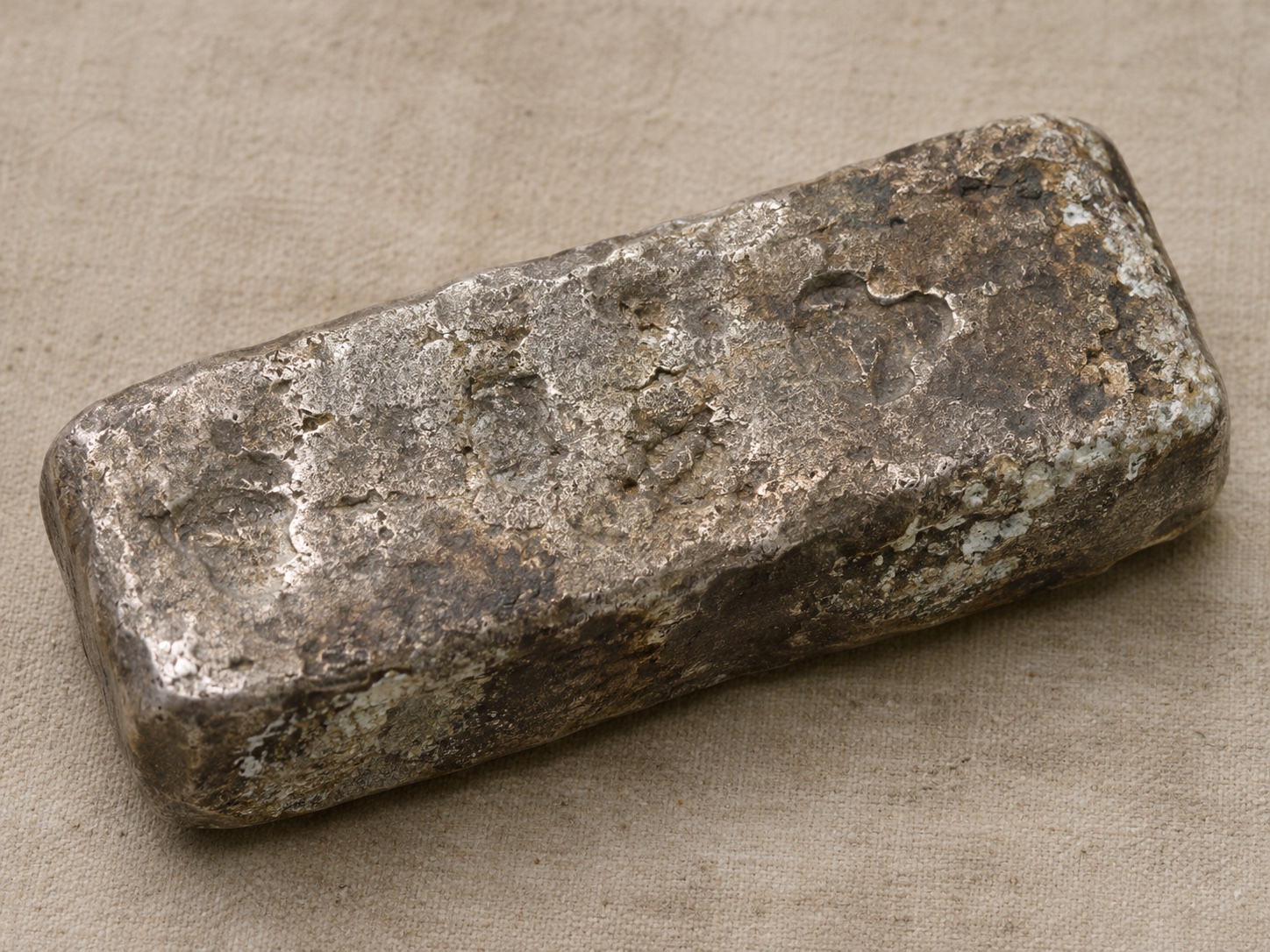
A photograph of a stamped face can help identify a bar. A recovery number ties it to an inventory entry, and transfer records can trace where it went afterward. Those records matter when similar bars were carried on more than one ship. How to Check a Lost Treasure Claim follows the same questions from a claim back to its documents. On the Atocha, the most useful stamp was one that could be followed from silver to paper.