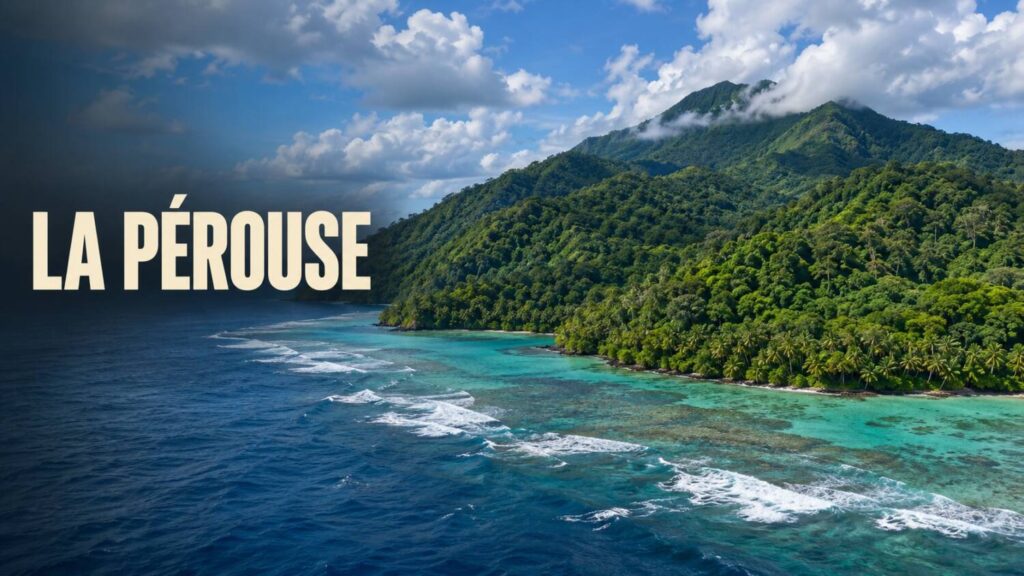
In early 1788, two French frigates stopped at Botany Bay. The expedition’s commander, Jean-François de La Pérouse, sent dispatches home by way of the British. His ships, La Boussole and L’Astrolabe, had left Brest in 1785 on a surveying and scientific voyage. When they sailed from Australia, they left a set of records behind. Their route after that stop has to be pieced together from other evidence.
The lead that reached Peter Dillon
In 1826, the captain and trader Peter Dillon came across a silver sword hilt on Tikopia, in the southwest Pacific. People there told him about wrecks at Vanikoro, another island in the Santa Cruz group. Dillon pursued the lead and reached Vanikoro in 1827. His published account records the conversations as well as his search for objects. The information about where to look came from people who knew the islands and the movement of objects between them.
The French expedition led by Jules Dumont d’Urville visited the following year. Its 1828 chart of Vanikoro records the island and its reefs. It gives the search a mapped setting, while the reports and recovered objects tie the wrecks to the missing expedition.
Two sites on the reef
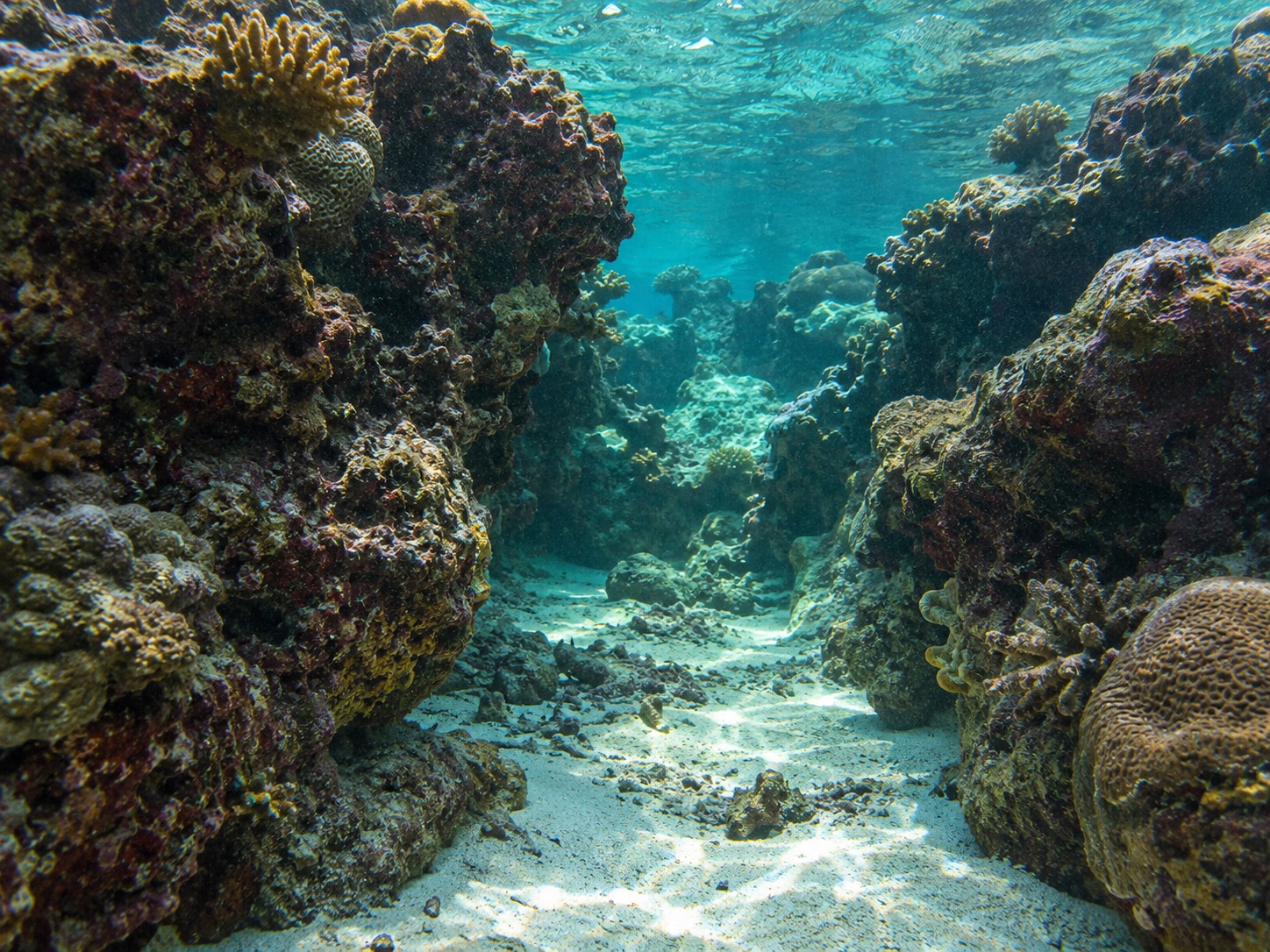
The wrecks occupy separate sites. The maritime archaeology team at ADRAMAR describes the 2003 and 2005 dives at a reef fissure called La Faille and a shallow site known as the Fausse Passe. Coral and strong currents made the shallow site difficult to work. The divers mapped the remains and examined surviving hull structure. The two ships had travelled together and carried some of the same kinds of equipment. Identifying which ship lay where required evidence specific to an individual vessel.
A name in the inventory
At La Faille in 2005, the divers recovered a sextant signed by its maker, Mercier. The team matched it to the equipment inventory for La Boussole. The name on the instrument could be checked against a document drawn up before the loss. That match, considered with the other finds, identified La Faille as the wreck of La Pérouse’s flagship.
The wrecks fix where the voyage ended for the two ships. The crew’s history after the wrecks is harder to trace. The Western Australian Museum’s maritime archaeology report brings together the expedition records and evidence from the search. It gives the island accounts room in the story while showing how much more can be established about a hull or instrument than about the people who left it.
That distinction also runs through How to Find a Lost Settlement. At Vanikoro, a signed instrument and a list of equipment can be brought together. The surviving records leave open how far any of the survivors got after coming ashore.