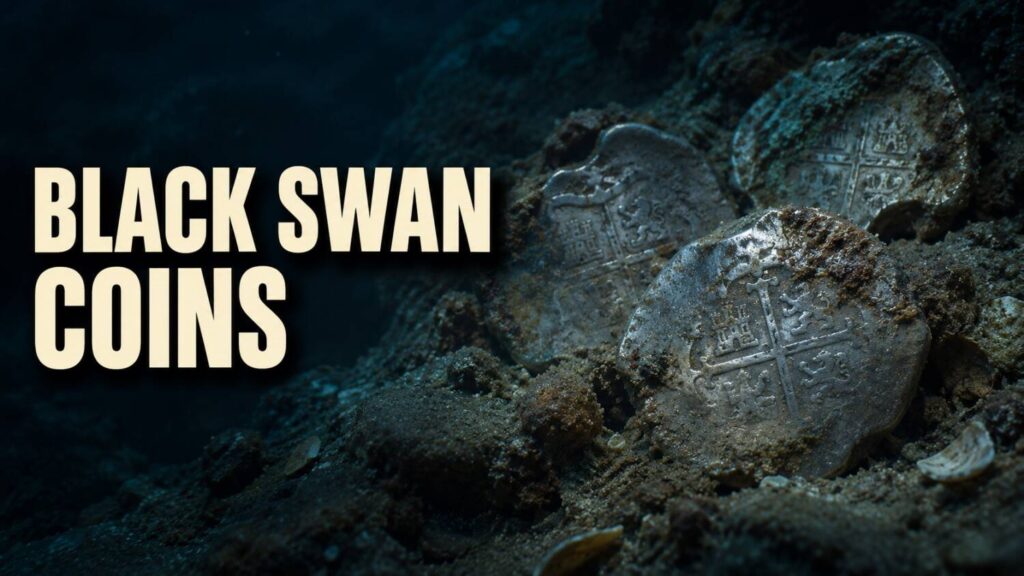
In 2007, Odyssey Marine Exploration brought hundreds of thousands of coins ashore from a wreck it called the Black Swan. The name kept the original ship out of the public description. When the company opened a case in a US federal court, Spain argued that the wreck was the Nuestra Señora de las Mercedes, a Spanish naval frigate lost in 1804.
Putting a name to the wreck
The Mercedes was returning from South America when a British squadron intercepted it off the Iberian Peninsula. It exploded and sank. The Spanish National Museum of Underwater Archaeology’s site record places the wreck in that historical setting.
The identification relied on several details together. The location fitted the historical account. Coins from Spanish American mints and their dates fitted the voyage. Evidence from the wreck and the frigate’s cargo records supported the same reading. A single coin could have travelled aboard many ships. The distribution and contents of a wreck assemblage gave the court more to compare.
What the court decided
In 2011, the US Court of Appeals for the Eleventh Circuit upheld the lower court’s finding that the wreck was the Mercedes and that it qualified as a Spanish warship. The judges held that sovereign immunity barred the court from exercising jurisdiction over the wreck and its recovered contents. The court upheld the order releasing those objects to Spain.
Some of the original cargo had been carried for private interests, and other claimants asserted rights to it. The ruling on immunity and release did not determine private title to each individual coin. The evidence that tied the coins to the wreck and the rule that controlled what the US court could do were both needed to understand the result.
The coins in conservation
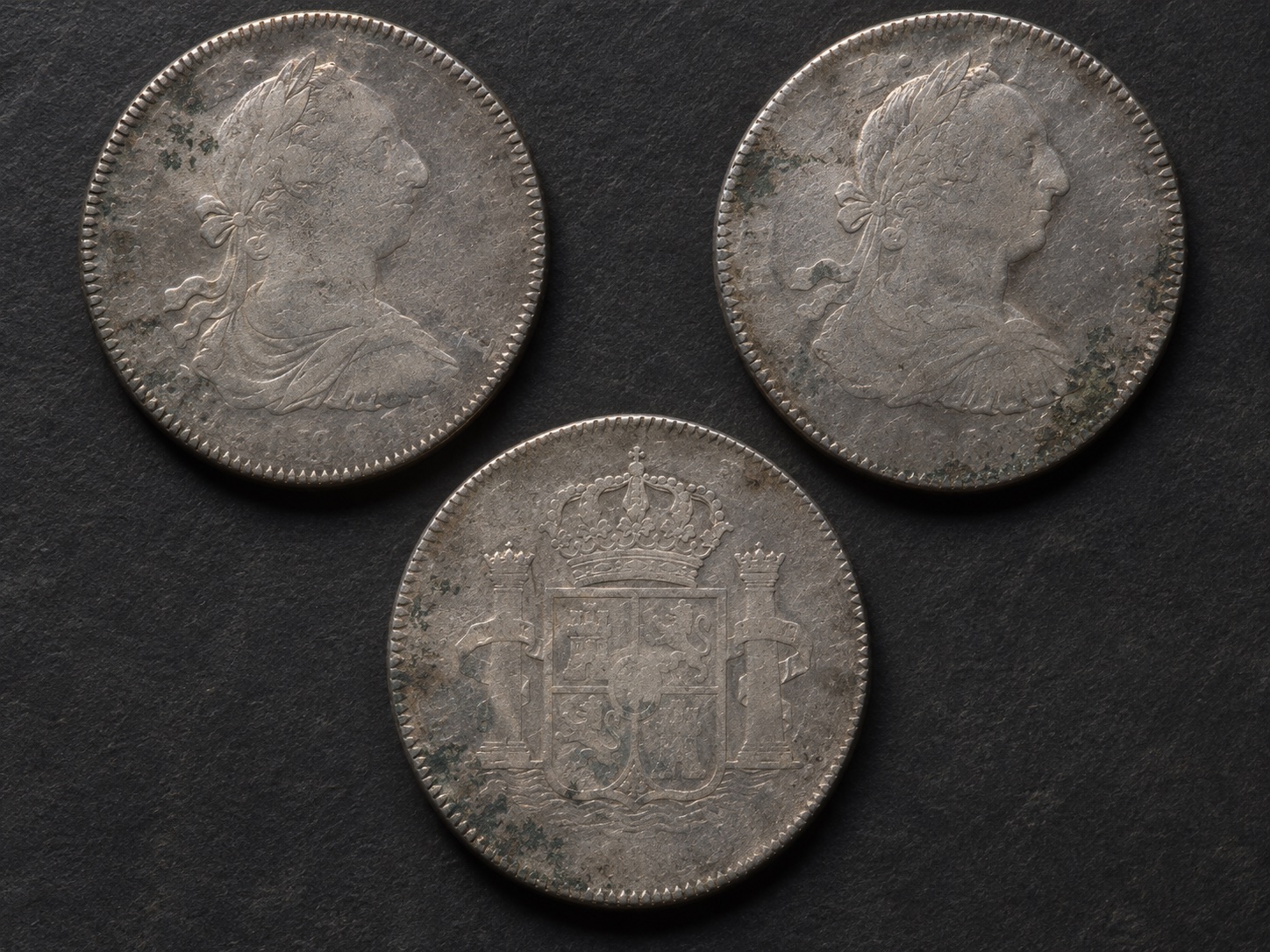
Spain took custody in 2012. The Spanish cultural heritage institute’s conservation record describes the later stabilisation and cataloguing of the coins at the underwater archaeology museum. Corrosion and concretions meant that reading a coin could require laboratory work after it was back on land.
How to Check a Lost Treasure Claim follows the documents that link a find to a place and a holder. In this case the court identified the wreck, and the conservators were left with a smaller task repeated many times over. They had to work out what each piece of recovered silver could still show.