Public debate about UFOs often centers on what institutions may know: footage, classified programs, military encounters with unidentified craft, and whether governments will release more information. The experiencer accounts represented in the supplied discussions add a different dimension. For people who say they have had direct contact, the subject is not only a question of objects or official records. It can involve memories, emotions, altered perceptions, and interpretations that reshape how they understand reality.
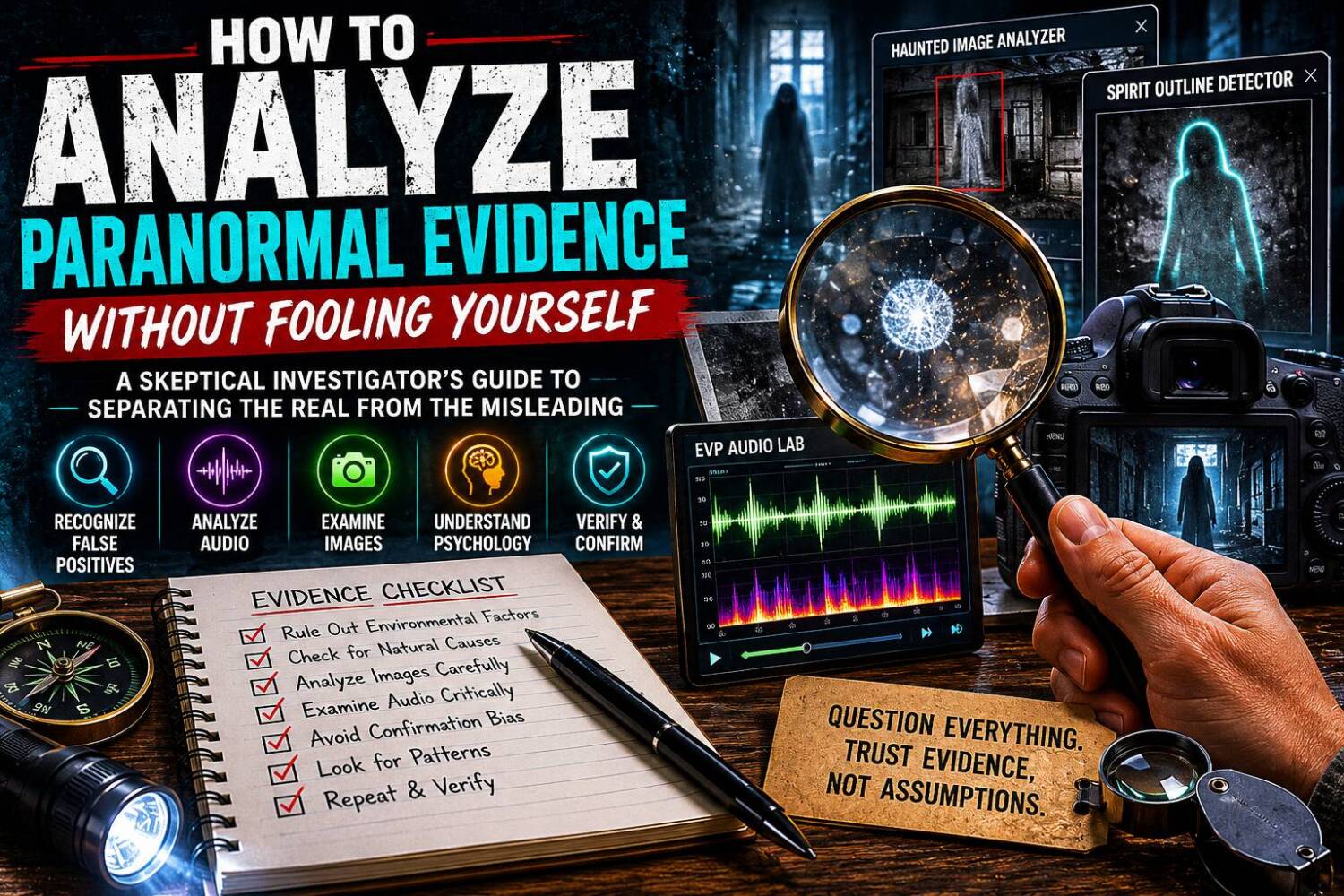
That difference matters. A government document or sensor record, if authenticated and adequately explained, can be assessed as evidence about a particular claim. A personal account is evidence that someone reports having an experience; by itself, it does not independently establish what caused the experience or whether its interpretation is correct. Taking a witness seriously does not require treating every explanation as confirmed fact.
Experience and interpretation are not the same thing
In the discussions, some participants connect UFO experiences with consciousness, spirituality, or what they call “the woo” and “Psi.” Others describe contact as deeply personal or suggest that it changes their sense of purpose. These ideas help show why the phenomenon can feel larger to experiencers than the question of whether an unusual craft was present. They are meaningful parts of how some people make sense of what they report, but they remain interpretations, not independently verified conclusions.
Even the details of an account can involve more than observation. A person may describe what they remember seeing or feeling, then draw conclusions about who or what was involved, why it happened, or whether it occurred in a physical or spiritual realm. Those are distinct layers. Keeping them separate allows a listener to respect the witness while asking careful questions about the basis for each claim.
This distinction is especially important when an experience is vivid, frightening, or difficult to place. The intensity of a memory can be genuine without settling its cause. Nor does uncertainty mean that a person is lying. It means that testimony, interpretation, and corroborating evidence answer different questions.
Experiencers as guides through uncertainty
Several participants imagine that experiencers could help people encountering disclosure claims for the first time. Their suggested contribution is less about supplying a final explanation and more about offering steadiness: listening, sharing what helped them, and allowing newcomers to describe their own reactions. One commenter explicitly cautions that experiencers “bear witness” but that recollections are colored by individual interpretation. That is a useful principle for public discussion: offer perspective without presenting personal conclusions as settled truth.
Other commenters emphasize humility and a grounded approach, including the value of being present for people who feel shocked or isolated. This kind of support need not endorse a particular account of extraterrestrial contact. It can acknowledge the distress or significance someone describes while leaving room for uncertainty and other explanations. The discussions also include caution about promoting contact, underscoring that support and encouragement to seek experiences are not the same thing.
Disclosure claims require independent scrutiny
The source discussions contain sharply different views about disclosure itself. Some participants see a broader awakening; others argue that the material being discussed does not amount to disclosure or distrust government and media accounts. That disagreement is a reminder that the word “disclosure” can refer to different things: the release of information, institutional acknowledgment, a personal revelation, or a wider cultural change. A claim that one has occurred should be assessed according to what has actually been made available and what it establishes.
Experiencer testimony can widen the conversation by showing how reports of contact are lived and interpreted. It can also raise questions that institutional accounts may not address. But personal testimony should not be asked to carry the burden of proving claims that require independent corroboration. Conversely, a lack of independent confirmation does not erase the fact that a person is reporting an important experience.
A careful disclosure debate can hold both points at once: listen respectfully, distinguish recollection from explanation, and seek evidence that can be checked beyond the individual account. That approach does not diminish experiencers. It gives their testimony a clear place in the discussion, valuable as a record of personal experience, while distinct from proof of what caused it.