

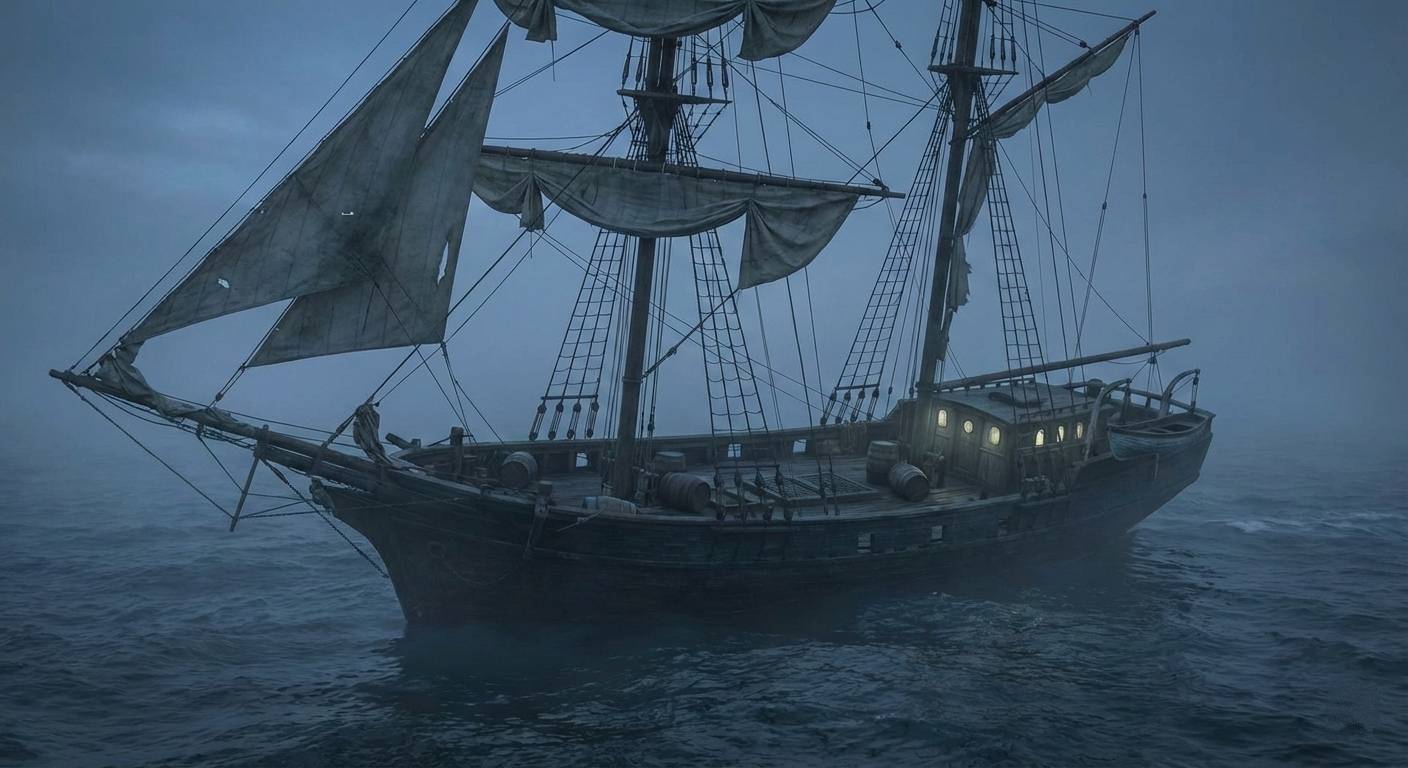
Among the countless tales of the sea, few are as famous or as enduring as that of the Mary Celeste. Discovered adrift and deserted in December 1872, the ship became the archetype of the ghost ship legend and one of the earliest mysteries often connected to the region later known as the Bermuda Triangle. What makes this case so haunting is not merely that the ship was found empty, but that it was in near-perfect condition—with no signs of struggle or distress.
The Mary Celeste was a two-masted brigantine that set sail from New York on November 7, 1872, under the command of Captain Benjamin Briggs. A seasoned sailor, Briggs was traveling with his wife, their two-year-old daughter, and a crew of seven. The ship’s cargo—1,701 barrels of industrial alcohol—was bound for Genoa, Italy. The weather was fair and the vessel was considered seaworthy.
On December 4, 1872, the British ship Dei Gratia spotted the Mary Celeste drifting aimlessly about 400 miles east of the Azores. When the boarding party investigated, they found the sails partially set and the hull in good condition. The ship’s cargo was mostly intact, personal belongings were undisturbed, and the galley was stocked with provisions. Yet the lifeboat was gone, and not a single person remained on board.
The Mystery Deepens
From the moment it was discovered, the Mary Celeste’s condition raised more questions than answers. There was no sign of violence or piracy, no evidence of a struggle, and no indication of sudden disaster. The ship’s logbook entries stopped abruptly on November 25, with nothing unusual reported. Even stranger, the ship’s pumps were operational and there was only minimal water in the hold—far too little to suggest a sinking vessel.
The absence of the crew’s navigational instruments and the lifeboat led investigators to believe they may have abandoned ship prematurely. But why would an experienced captain like Briggs make such a fatal decision when the Mary Celeste was clearly still seaworthy? Theories soon began to multiply, from the plausible to the bizarre.
Theories and Speculation
One of the earliest theories suggested that the ship’s cargo of alcohol may have leaked, releasing explosive fumes that caused the crew to fear an imminent explosion. They may have temporarily evacuated in the lifeboat and become separated. Another idea proposed that rough seas or sudden weather changes caused them to abandon ship unnecessarily. Others suggested mutiny, piracy, or foul play, though no evidence of violence was ever found.
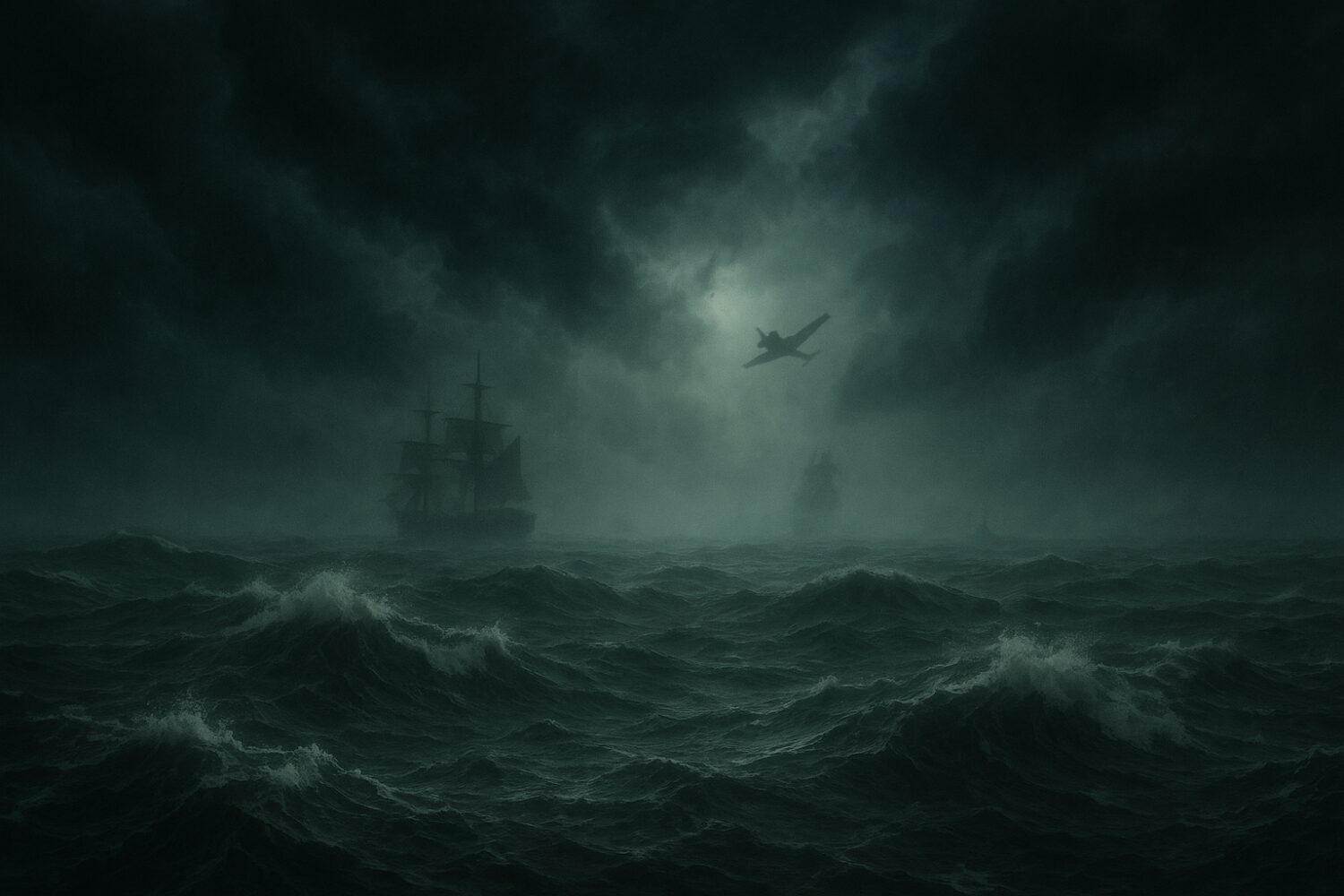
As the years passed, more outlandish explanations emerged. Some speculated that seaquakes, waterspouts, or even alien intervention were responsible. In the 20th century, the Mary Celeste was drawn into the mythology of the Bermuda Triangle—despite the fact that it was found just outside the area—further entwining the ship’s story with tales of supernatural forces at sea.
The Enduring Legend
Despite numerous investigations and studies, no conclusive explanation has ever been proven. The fate of Captain Briggs, his family, and crew remains unknown. The Mary Celeste itself was salvaged and continued to sail under new ownership for several years before being deliberately wrecked in 1885 in an insurance fraud scheme, ending its physical journey but cementing its legend forever.
Today, the Mary Celeste stands as the ultimate ghost ship—the symbol of an unsolved maritime mystery that continues to fascinate historians, writers, and paranormal enthusiasts. Whether a tragic accident, human error, or something stranger, its story remains a timeless reminder that the sea often guards its secrets well.
 Ghost Ships
 The Bermuda Triangle