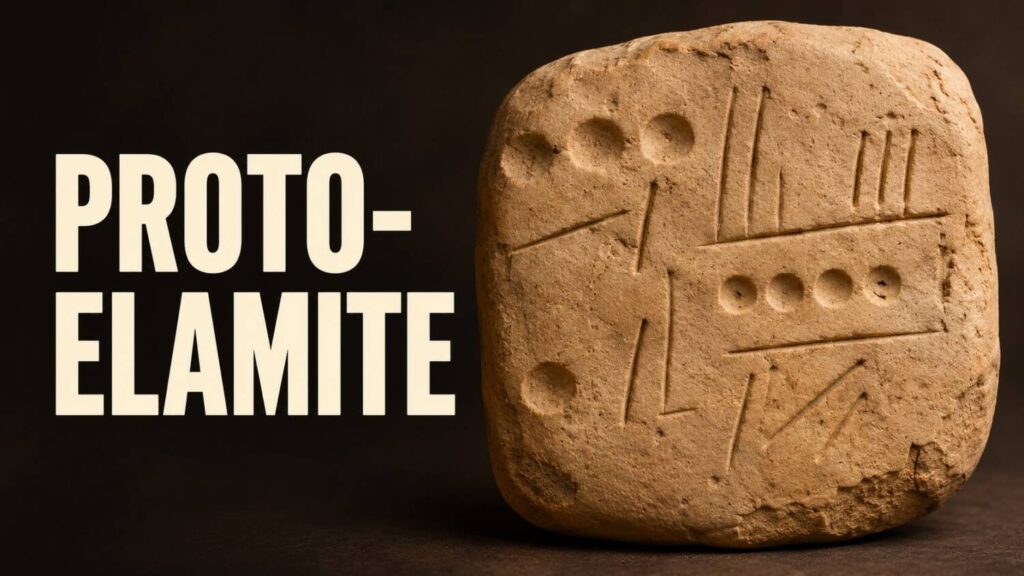
Three pieces of clay in the Louvre turned out to be parts of the same account. Once joined, they showed about fifteen herds, with adults and young animals recorded in a regular order. The scribe’s words remain unknown, but the order of the entries gives researchers a way to work out what some signs did.
The account that came back together
The Cuneiform Digital Library Initiative’s entry for MDP 17, 96+325+380 identifies the pieces and credits Jacob Dahl with joining them in 2004. The tablet dates to the Proto-Elamite period, around 3100–2900 BCE. Its entries separate herds and then subdivide the animals by type, sex and age.
Adult animals appear before the young. The signs interpreted as young animals have extra strokes inside forms used for adults. Because the pattern repeats from herd to herd, an identification made in one entry can be checked against the others. The catalogue can render the entries in modern English while leaving the names or identities of owners as placeholders.
Why the units matter
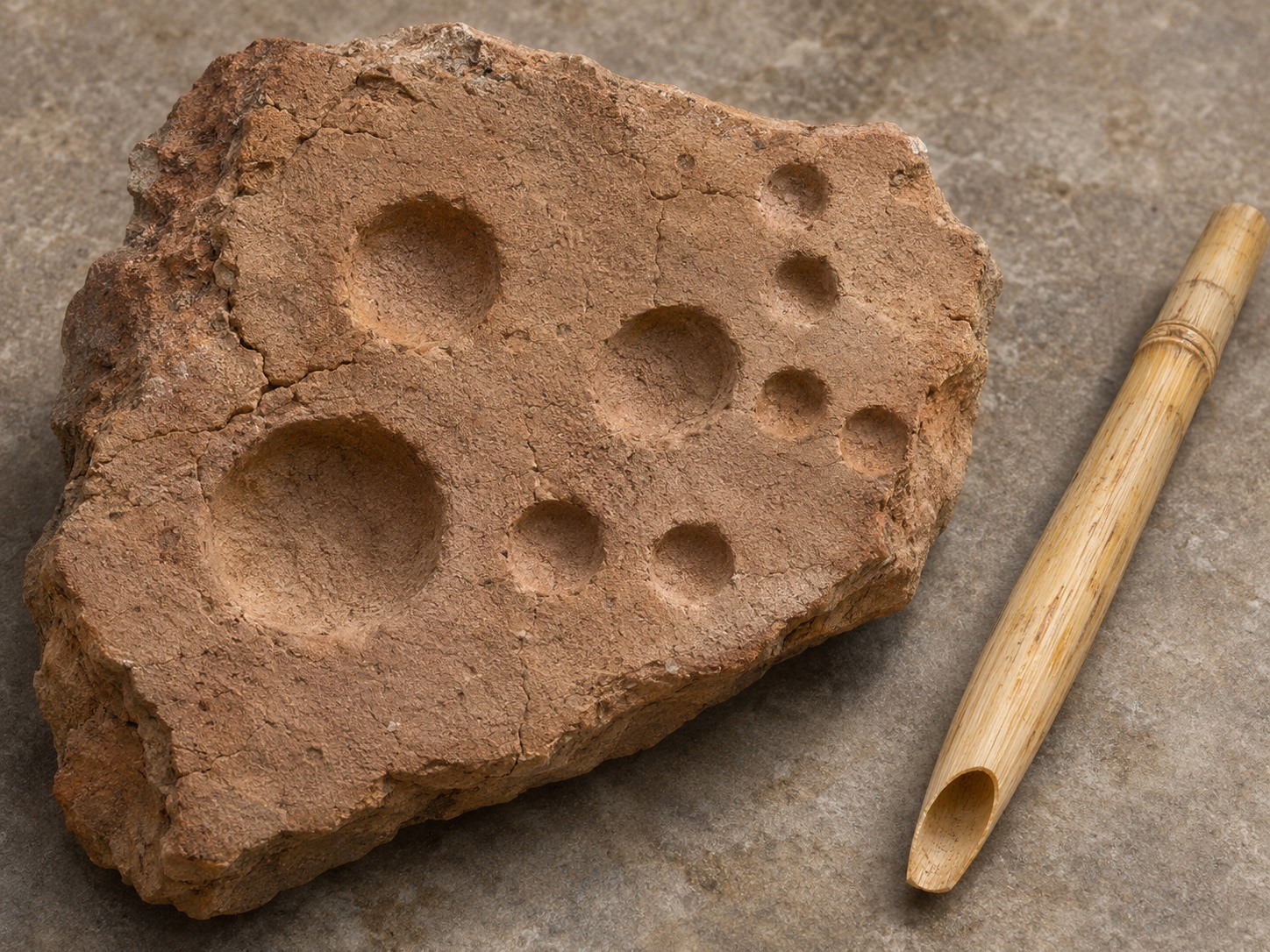
A round impression can be a number, but its value is tied to what is being counted or measured. In Robert Englund’s analysis of Proto-Elamite accounting, the systems used for discrete objects and for measuring capacity have different rules. A plausible reading has to use the appropriate system and explain how its entries relate to the totals where those totals survive.
This is why an apparently tidy count can still be wrong. If an impression is treated as a fixed number everywhere, a list may seem to balance while comparisons with other tablets fail. Putting fragments together helps because more of the order, repetitions and closing figures become available to test.
From recognizing an entry to reading it aloud
The herd tablet gives a useful distinction. Researchers can infer the role of an animal sign and explain the numbers next to it. Finding a spoken word for that animal would need a different kind of clue, such as a connection to a known language that also explains other signs and texts.
For anyone checking a claimed reading, the catalogue number is a good place to start. It lets you see which marks are on the clay, which portions were reconstructed from joins and how much of the interpretation follows from the accounting itself.